Liposuction

Liposuction is a cosmetic surgical procedure aimed at removing excess fat from targeted areas of the body to enhance contours and create a more sculpted, proportionate appearance. It is one of the most popular and effective body contouring techniques, designed specifically to address stubborn fat that resists diet and exercise, rather than being a weight-loss solution.

A personalized consultation is the best way to ensure that you are a good candidate for liposuction

Liposuction can be performed on various areas


  • Abdomen
  • Flanks (Love Handles)
  • Thighs
  • Hips
  • Back
  • Arms
  • Neck and Chin
  • Buttocks
  • Knees
  • Calves and Ankles


Good Candidates for Liposuction


  • Stable Weight

You should be at or near your ideal weight but have stubborn fat deposits that do not respond to diet or exercise. Liposuction is not a weight-loss procedure but a body contouring procedure.

  • Good Skin Elasticity

The skin in the targeted area should be firm and elastic, as this helps it contract smoothly after fat removal. If the skin is loose or sagging, additional procedures may be necessary.

  • Realistic Expectations

Liposuction improves body shape but does not address cellulite or excess skin.

  • Stubborn Fat Pockets

Liposuction is ideal for people who have specific areas of fat that are resistant to diet and exercise. Common areas include the abdomen, thighs, love handles, and upper arms.


Who May Not Be Suitable for Liposuction


  • Significant Overweight

If you're significantly overweight (more than 30% over your ideal weight), liposuction is not recommended as a weight-loss solution. It's more effective for those who are close to their ideal weight but need help with localized fat.

  • Loose or Excess Skin

Liposuction removes fat but doesnt address excess or loose skin. If you have significant skin laxity, you may need additional procedures like a tummy tuck or skin tightening.

  • Pregnancy or Breastfeeding

It's advisable to wait until after pregnancy and breastfeeding, as these can cause changes in body shape and fat distribution that may alter the results.

Recovery And After Care

Liposuction recovery involves resting and light walking for circulation, wearing a compression garment for 4-6 weeks to reduce swelling, and managing pain with prescribed medications; swelling and bruising may persist for a few weeks, with full results visible after 1-3 months, while long-term care includes maintaining a stable weight, avoiding sun exposure on scars, and following a healthy lifestyle to preserve results. In addition to following your surgeon's aftercare instructions, be sure to avoid smoking and alcohol, monitor for signs of infection, stay hydrated, rest adequately, avoid overexertion.

General Risk
Liposuction, like any surgical procedure, has potential risks and complications. These can vary depending on the extent of the procedure, the areas treated, and the patient's overall health. 

Common Risks
  • Infection: Any surgical procedure carries the risk of infection. Proper care of incisions and adherence to aftercare instructions can help minimize this risk.
  • Bruising and Swelling: Temporary bruising and swelling are common after liposuction. While this typically resolves within a few weeks, it can take several months for swelling to fully subside.
  • Skin Irregularities: Uneven fat removal can lead to lumps, bumps, or a wavy skin texture. This is more likely to occur if too much fat is removed in one area.
  • Numbness: Some patients experience temporary numbness or altered sensation in the treated areas, which usually resolves as the skin heals.
  • Scarring: Small scars are left at the incision sites. While they usually fade over time, they can be visible and vary in appearance depending on the individuals healing and skin type.
  • Fluid Accumulation (Seroma): Fluid buildup beneath the skin can cause swelling and discomfort. It can sometimes require drainage.
  • Anesthesia Risks: General anesthesia or local anesthesia used during the procedure can have risks, including allergic reactions, breathing issues, or other complications related to sedation.
  • Blood Clots: Blood clots, particularly in the legs (deep vein thrombosis), can form after surgery and may travel to the lungs (pulmonary embolism), which is potentially life-threatening.


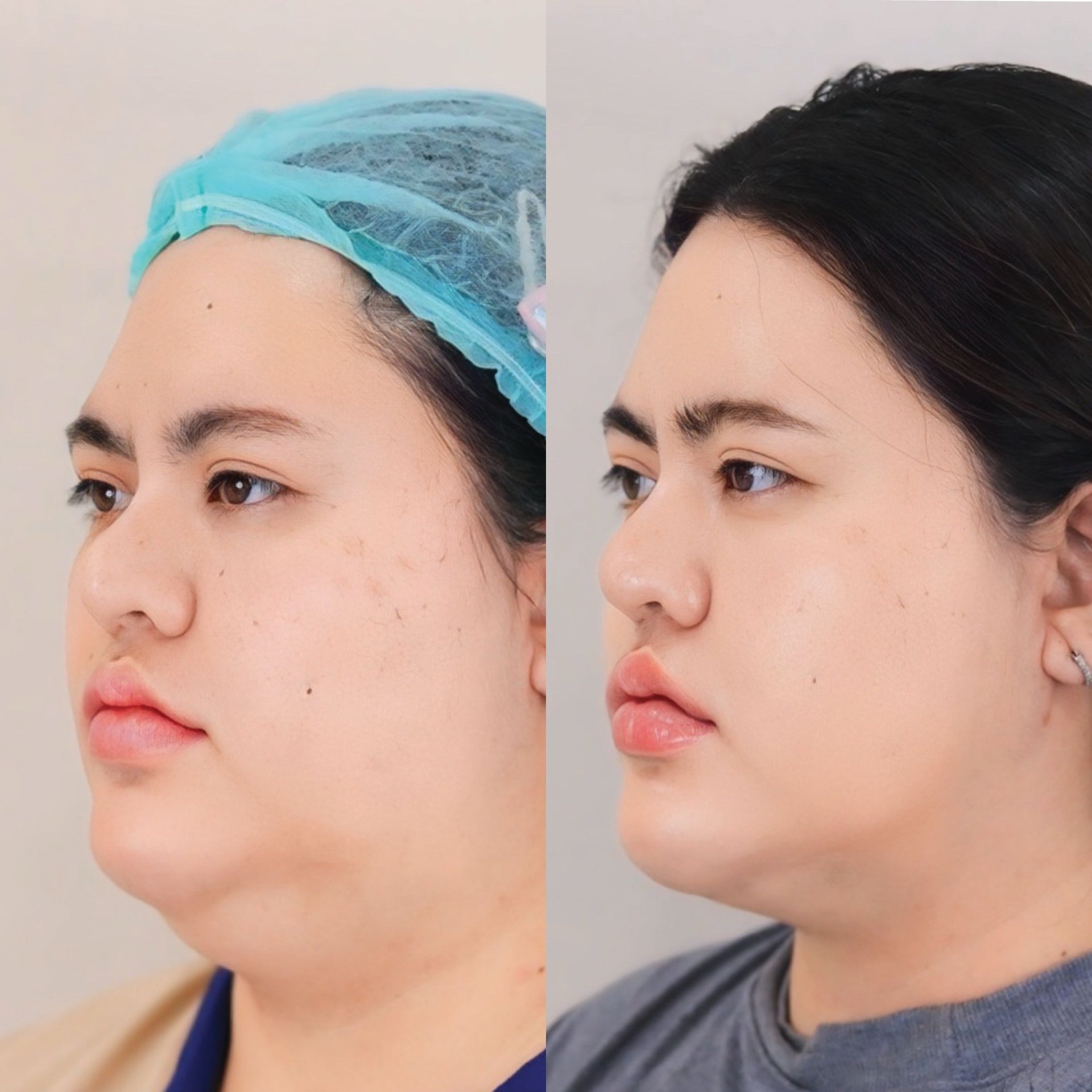
Before And After

Are you ready to enhance your beauty?

Lets take the next step together!

เว็บไซต์นี้มีการใช้งานคุกกี้ เพื่อเพิ่มประสิทธิภาพและประสบการณ์ที่ดีในการใช้งานเว็บไซต์ของท่าน ท่านสามารถอ่านรายละเอียดเพิ่มเติมได้ที่ นโยบายความเป็นส่วนตัว and นโยบายคุกกี้
Compare product
0/4
Remove all
Compare
Powered By MakeWebEasy Logo MakeWebEasy