FACE LIFT
known as rhytidectomy is a cosmetic surgical procedure designed to reduce the visible signs of aging in the face and neck. The goal of a facelift is to create a more youthful and refreshed appearance by lifting and tightening the skin and underlying tissues of the face. It is one of the most popular facial rejuvenation procedures for individuals seeking to address sagging skin, deep wrinkles, and other age-related changes.
Our Offers
Full Face Lift (upper +MidFace + lower face)
Full face + Neck lift
Forehead Lift (Endoscopic endotine or conventional)
Mini face Lift With Endotine Ribbon
an advanced technique used in facial rejuvenation surgery. It combines a minimally invasive facelift procedure with the use of a specialized device called the Endotine ribbon, which helps lift and support the facial tissues more securely during the healing process. This technique is particularly useful for individuals with mild to moderate sagging, especially in the lower face and jawline.

- Faster Recovery: Shorter downtime, typically just a few days to a week, with less swelling and bruising.
- Natural, Long-Lasting Results: Gradual, subtle lifting that lasts for several years as the devices dissolve naturally.
- Lower Risk of Complications: Bioabsorbable materials reduce risks like infection or nerve damage, with no need for implant removal.
- Less Visible Scarring: Small, discreet incisions lead to minimal scarring, often hidden in the hairline or mouth.
- Targeted Mid-Face Lift: Ideal for lifting the cheeks, nasolabial folds, and addressing sagging in the mid-face.
- Customizable: Can be tailored to each patients facial structure, and can be combined with other treatments like Botox or fillers.
- Quick Procedure: Typically performed under local anesthesia with faster recovery than traditional facelifts.
- No "Wind-Swept" Look: The technique results in a more natural and balanced appearance without over-tightening the skin.
- Versatile: Suitable for patients with moderate sagging looking for a less invasive option than full facelifts.
- Want a Less Invasive Option: Those looking for a minimally invasive procedure that provides natural-looking results without the extensive downtime of a traditional facelift.
- Are in Their 40s to 60s: Most candidates are in the 40s to 60s, when signs of aging, like sagging cheeks or nasolabial folds, start to appear but the skin is still sufficiently elastic.
- Prefer Faster Recovery: If you need a quick return to normal activities and want to avoid the prolonged recovery of more invasive surgeries.
- Dont Want Scarring: Those who want to minimize visible scars, as the incisions are small and often hidden in the hairline or inside the mouth.
Your recovery from an Endotine facelift may take several weeks to months for full results to be visible, with much of the initial swelling and bruising resolving in the first 2 weeks.
Immediately After Surgery (First 24-48 Hours)
- Could have significant swelling and bruising, particularly around the face and neck. Swelling will peak during the first 48-72 hours. Afterward, warm compresses may be recommended to promote healing.
- Your face will feel tight and may be slightly numb due to the surgical procedure and swelling.
- Your incisions may be bandaged or dressed. Keep them clean and dry as per your surgeon's instructions.
- Keep your head elevated at all times, especially when sleeping, to reduce swelling. Use extra pillows or a recliner.
- Apply cold compresses or ice packs (20 minutes on, 20 minutes off) for the first 48 hours to minimize swelling and bruising.
- Do not bend over, lift heavy objects, or engage in any strenuous activities.
- Stick to soft, easy-to-eat foods. You may feel tenderness or tightness in the mouth and face, so avoid anything too chewy or tough.
First 2 Weeks After Surgery
- Swelling and bruising will start to decrease, but you may still experience some puffiness, especially around the eyes and jawline.
- The incisions will begin to heal, and you may notice some scabbing or crusting. The initial redness should start to fade by the end of two weeks.
- You might experience some numbness, tingling, or tightness in the skin, particularly around the incision areas. This is normal and should improve over time.
- Follow your surgeon's instructions for caring for your incisions. You may be advised to gently wash the area with a mild cleanser or use a prescribed ointment.
- Protect your face from direct sunlight, as your skin will be more sensitive and vulnerable to pigmentation changes.
- Limit physical activity to light walking. Avoid anything that might cause your heart rate to increase significantly, such as vigorous exercise or heavy lifting.
After 1 Month
- Swelling should be largely reduced, but you might still experience minor swelling in certain areas. Your face should feel more natural and less tight by now. Also some bruising should mostly be gone, though some residual discoloration may persist.
- Incisions will have healed, but might still appear pink or slightly raised. Scarring will continue to improve in the coming months.
- Your facial appearance should be more refined, with the lifting effects of the procedure becoming clearer. However, the final results are not yet fully visible.
- You may begin using scar creams or silicone sheets to reduce scarring. Applying sunscreen daily is critical to prevent darkening of scars.
- Gradually resume light activities, but avoid strenuous exercise or heavy lifting for at least 4-6 weeks. You may be able to return to work at this point (if its a non-physically demanding job).
- Keep your skin hydrated with moisturizers and drink plenty of water to promote healing.
Long-Term Recovery (36 Months and Beyond)
- Swelling should be mostly gone, and the full results of your facelift will begin to become evident. The final facial contour and lift will become clearer as the tissues continue to settle.
- The incisions will continue to mature. They may initially appear red or raised but should soften and fade over time, often becoming barely noticeable after a year. Some people experience lingering numbness or sensitivity in the facial skin, especially around the incisions. This typically resolves within 3-6 months.
- You can now resume all types of exercise, but be sure to ease into more intense activities gradually.
- By 6 months, the lifting effects of your surgery should be fully visible. The final results will continue to improve over the next year as the skin fully adjusts.

Deep Plane Technique
The Deep Plane Facelift is an advanced and highly effective technique for rejuvenating the face, offering long-lasting results with a more natural appearance compared to traditional facelift methods. Unlike the standard facelift, which mainly focuses on tightening the skin, the Deep Plane Facelift targets the deeper layers of the face and underlying tissue for a more comprehensive lift. It's considered one of the most powerful facelift techniques for restoring youthful contours and can be especially beneficial for patients with more significant signs of aging, such as sagging skin, jowls,
and neck laxity.
The Deep Plane Facelift involves lifting not just the skin, but also the SMAS (Superficial Musculo-Aponeurotic System) layer, which is the deeper tissue structure beneath the skin. By repositioning this layer along with the skin, the surgeon can achieve more dramatic and long-lasting results, particularly around the lower face, jawline, and neck area.
- Focus on Deeper Layers of the Face : While traditional facelifts may only lift the skin, the deep plane technique lifts both the skin and the underlying SMAS layer. This deeper lift addresses the sagging of facial fat pads and muscles, rather than just pulling on the skin.By releasing the SMAS and repositioning it along with the skin, a more dramatic and long-lasting result is achieved, which looks more natural because it preserves the natural contours of the face.
-Reduces the Risk of "Pulled" or "Tight" Look : The key benefit of the deep plane technique is that it allows for a more natural result because it doesnt just stretch the skin. The result is a smoother, more harmonious rejuvenation that restores youthful facial contours without the overdone or pulled appearance that can sometimes occur with more superficial facelift techniques. The repositioning of the deeper tissues also provides a more subtle lift of the jowls and neck, helping to restore definition to the jawline and improve neck contours.
-Improved Jawline and Neck Contour : The deep plane facelift offers a more effective lift for the lower face and neck area than traditional methods. It can smooth out deep nasolabial folds, tighten the skin under the chin, and define the jawline by repositioning the deeper tissues, rather than just trimming excess skin. The technique can also improve the overall appearance of the neck, lifting sagging skin and addressing neck bands or fat that contribute to a "turkey neck" appearance.
-Longer-Lasting Results : Because the underlying tissues are repositioned and secured, the results of a deep plane facelift are typically longer-lasting than those of a traditional facelift. The effects can last anywhere from 10 to 15 years, making it a good option for patients looking for more permanent rejuvenation.
The deep plane facelift also typically requires fewer revisions than other methods, due to the more thorough lift.
- Incisions: The incisions for a deep plane facelift are similar to those of a traditional facelift, often starting in the hairline near the temples, extending around the ears, and ending in the lower scalp. However, the technique involves deeper dissection of the facial tissue beneath the skin.
- Repositioning the Tissues: After releasing the deeper layers, the surgeon repositions them in a more youthful position and tightens the skin. The goal is to restore volume and smoothness in the lower face, chin, and neck.
- Closing the Incisions: The incisions are closed with sutures, which are usually placed in a way that hides the scars within the natural creases around the ears and hairline. The scars from a deep plane facelift tend to heal well over time, becoming less visible.
- Longer-Lasting Effects: By lifting and repositioning the deeper tissues, the results typically last longer, often for up to 1015 years, with minimal risk of the face falling prematurely.
- Improved Definition: The procedure provides significant improvement to the jawline, neck, and mid-face, restoring youthful contours and creating a smoother, more balanced appearance.
- Comprehensive Facial Rejuvenation : The deep plane facelift targets a broader area of the face compared to a traditional facelift, including the mid-face and neck, offering overall rejuvenation that addresses more than just skin sagging.
- Less Tension on the Skin: Since the underlying tissues are lifted first, there is less tension on the skin. This leads to a more natural result and reduces the risk of scarring or a "stretched" appearance.
A compression garment may be worn around the neck and face to help reduce swelling.The surgeon will provide detailed instructions on how to care for your incisions, manage any discomfort, and what to do during the healing process.
Most patients can resume light activities after 2-3 weeks, though strenuous exercise and activities should be avoided for at least 6 weeks.
As with any major surgical procedure, a Deep Plane Facelift carries certain risks and potential complications. While the procedure is generally safe when performed by an experienced, board-certified plastic surgeon, its important to be aware of the risks involved and understand how to minimize them through proper preoperative care, surgical technique, and post-operative instructions.
- Infection : Any surgery that involves incisions carries the risk of infection, which can occur at the incision sites or in deeper tissues you would have Redness, warmth, swelling, unusual discharge, or fever. To Prevent infection, Proper hygiene, wound care, and following the surgeon's aftercare instructions can help reduce the risk. Infections are usually treated with antibiotics
- Scarring : While the incisions for a deep plane facelift are typically well-hidden in natural creases (around the hairline, behind the ears, or under the chin), scarring is still a possibility. Some individuals may have more noticeable scars or experience hypertrophic (raised) or keloid scarring. Scars will generally fade over time, but they may remain visible for months. Silicone sheets, creams, or laser treatments can help minimize scarring. A skilled surgeon will aim to make incisions in places where scars are less likely to be visible.
- Nerve Damage : The deep plane facelift involves lifting and repositioning deeper facial tissues, which could potentially lead to temporary or permanent nerve damage. This can affect facial movement or sensation, such as numbness or weakness in the face, particularly around the mouth or eyes. you would experince with Difficulty smiling, puckering the lips, or numbness in areas of the face. Nerve injury is usually temporary, but in rare cases, it may be permanent. This is why choosing a highly experienced surgeon is important, as they will have the necessary skill to avoid damaging critical nerves.
Hematoma and Seroma (Blood or Fluid Accumulation) : seroma is a collection of fluid. Both can occur in the early stages of recovery and may cause swelling, discomfort, and an increased risk of infection.you would have excessive swelling, pain, or the sensation of fluid under the skin. Hematomas may require drainage, and seromas may resolve on their own or with drainage. Following your surgeons instructions to avoid excessive movement and pressure on the face in the early recovery stages can help reduce the risk.
- Poor Wound Healing : Some patients may experience delayed wound healing, especially if they have underlying conditions like diabetes, poor circulation, or smoking habits. You Probably have one of this; Open wounds, prolonged redness, or swelling around the incision sites. To prevent it you need Follow post-operative instructions, avoiding smoking, and ensuring a healthy diet can help optimize healing. In some cases, additional treatments may be needed to improve wound healing.
- Skin Necrosis (Tissue Death) : In rare cases, the skin may fail to heal properly, particularly around the incision areas, leading to necrosis (death of the skin tissue). This can result from poor blood circulation, infection, or excessive tension on the skin. You can see if Skin turning dark or purplish in color around the incision, loss of skin integrity. If necrosis occurs, it may require further surgical intervention to remove the affected tissue and repair the skin.
- Asymmetry : While a deep plane facelift is designed to restore balance and symmetry to the face, there is always a possibility of mild asymmetry in the final result, particularly around the jawline, neck, or cheeks. Minor asymmetries often improve with time. In rare cases, additional corrective surgery may be required.
- Deep Vein Thrombosis (DVT) or Pulmonary Embolism (PE) : These are potential complications related to prolonged immobility after surgery, which can lead to the formation of blood clots in the legs (DVT) or lungs (PE). You would feel Swelling in the legs, difficulty breathing, chest pain, or sudden shortness of breath. Post-operative activity restrictions should be followed, and walking or moving around as soon as you are able can help reduce this risk. Blood thinners may also be prescribed as a precaution in some cases.
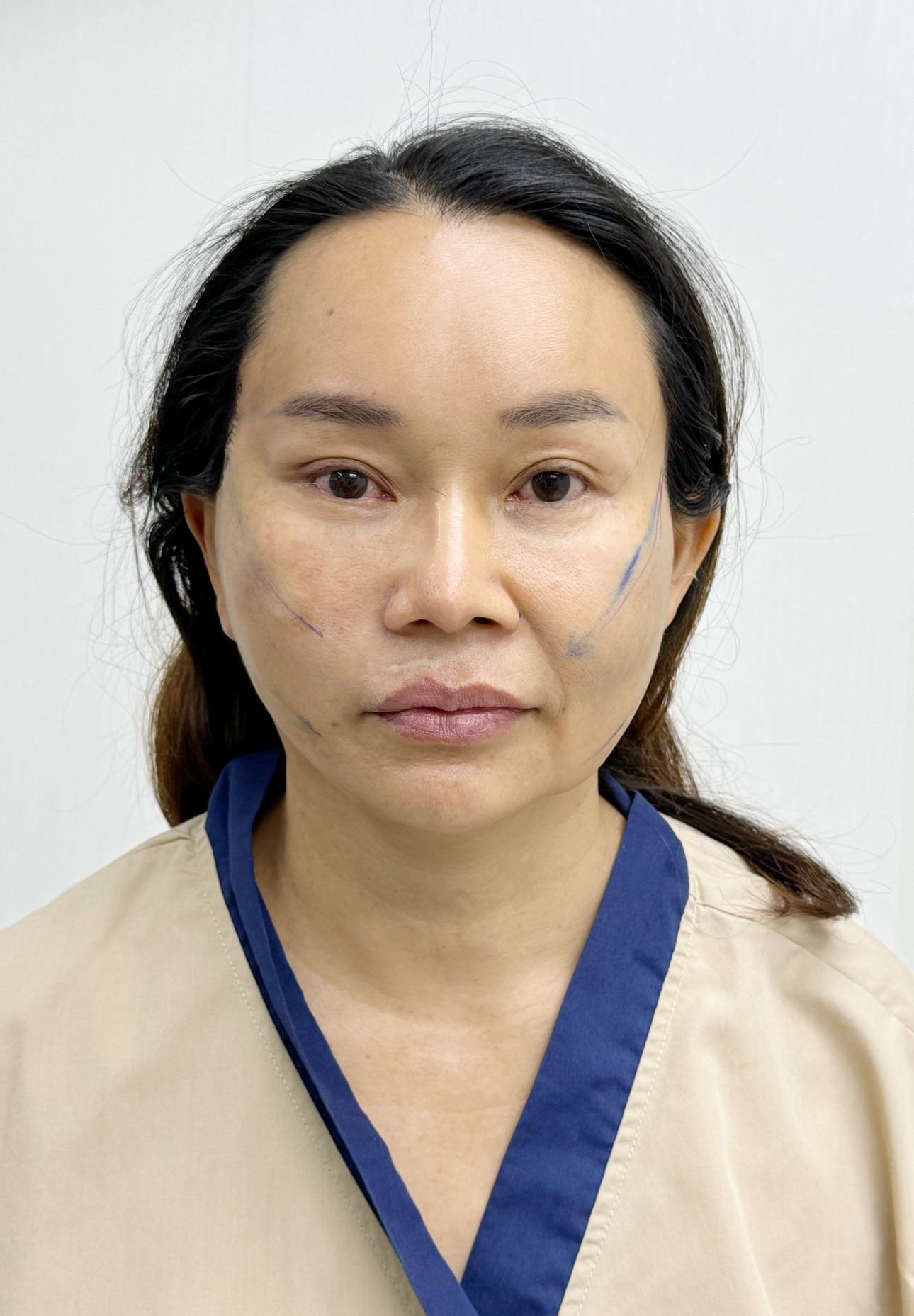
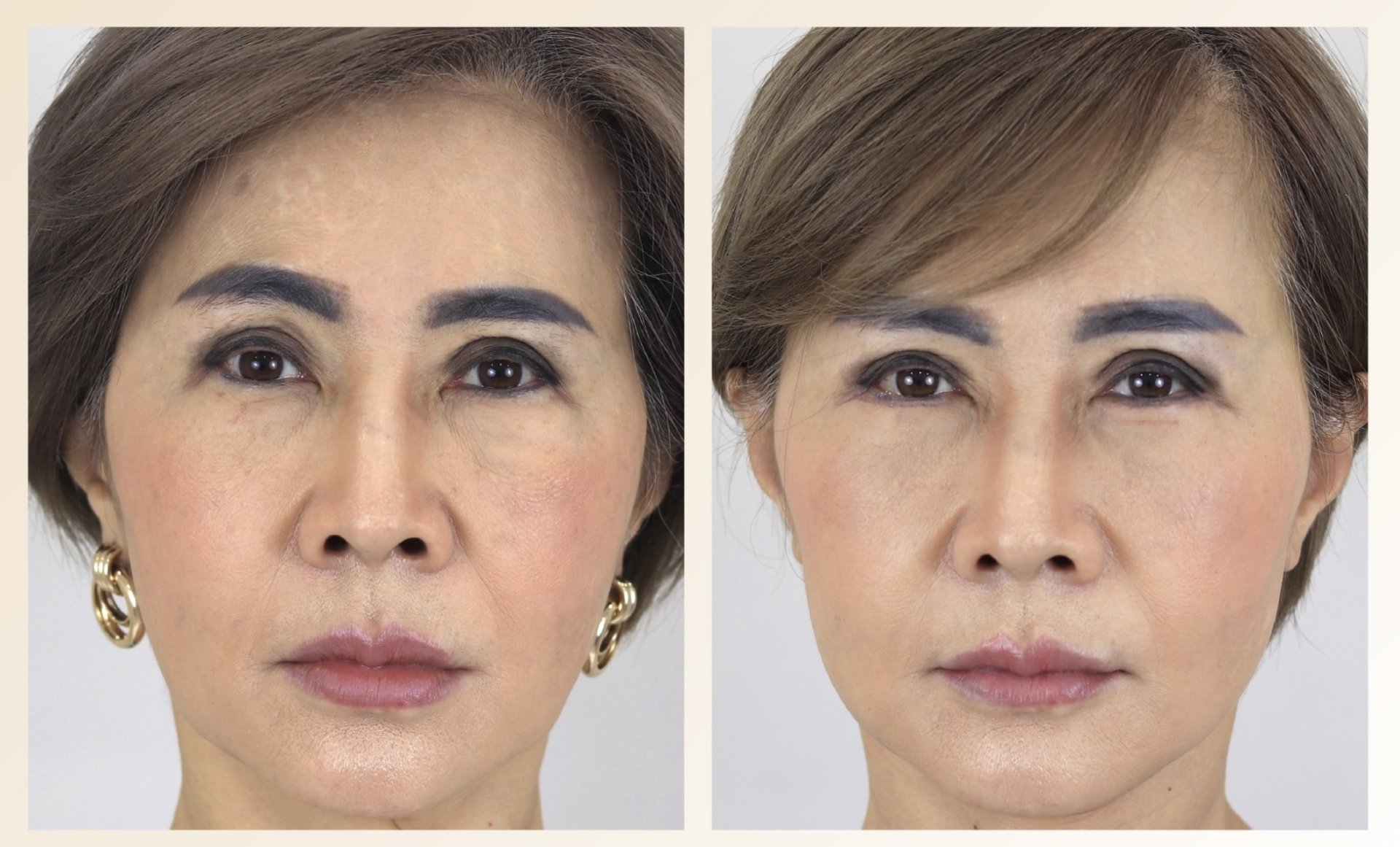
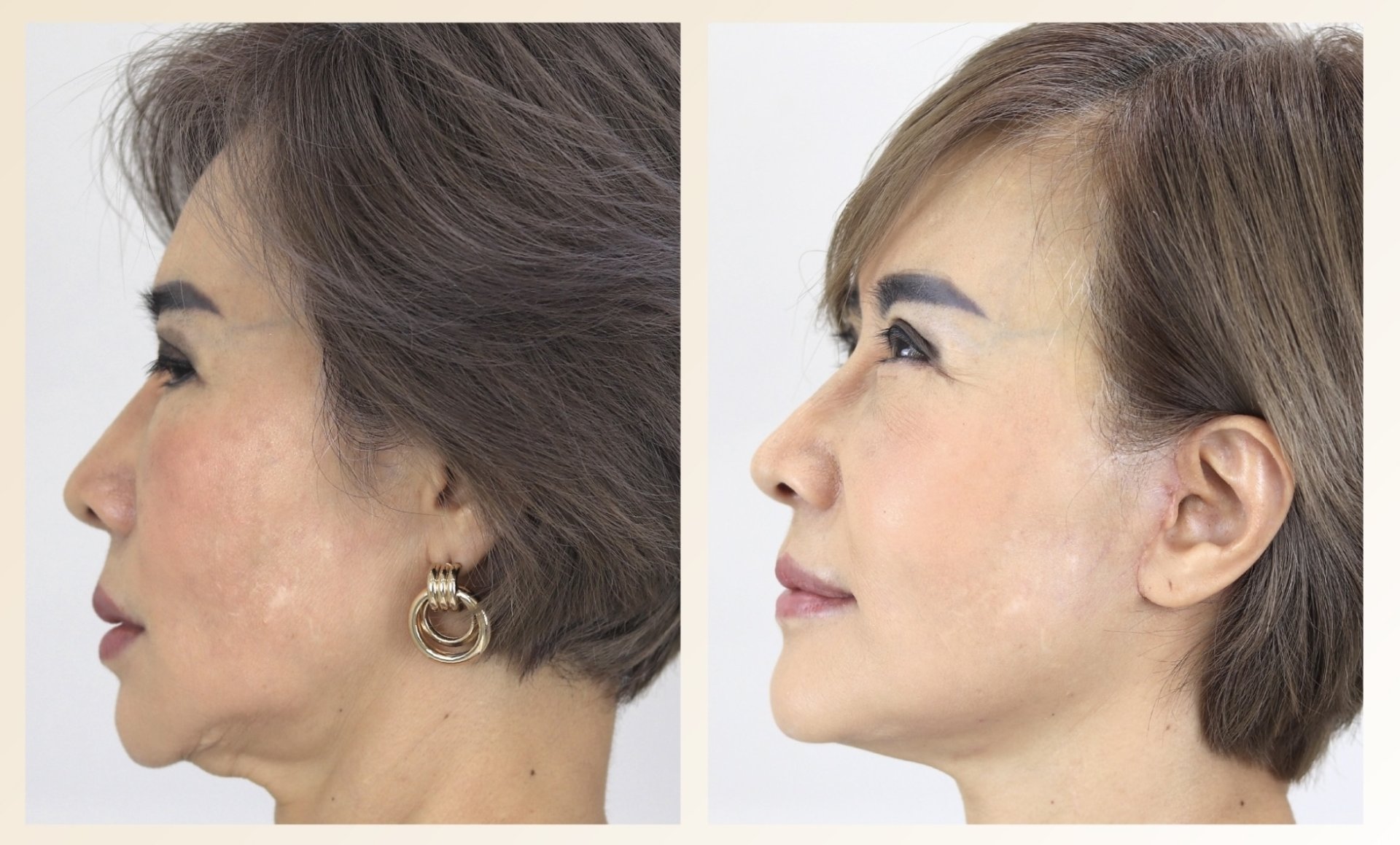
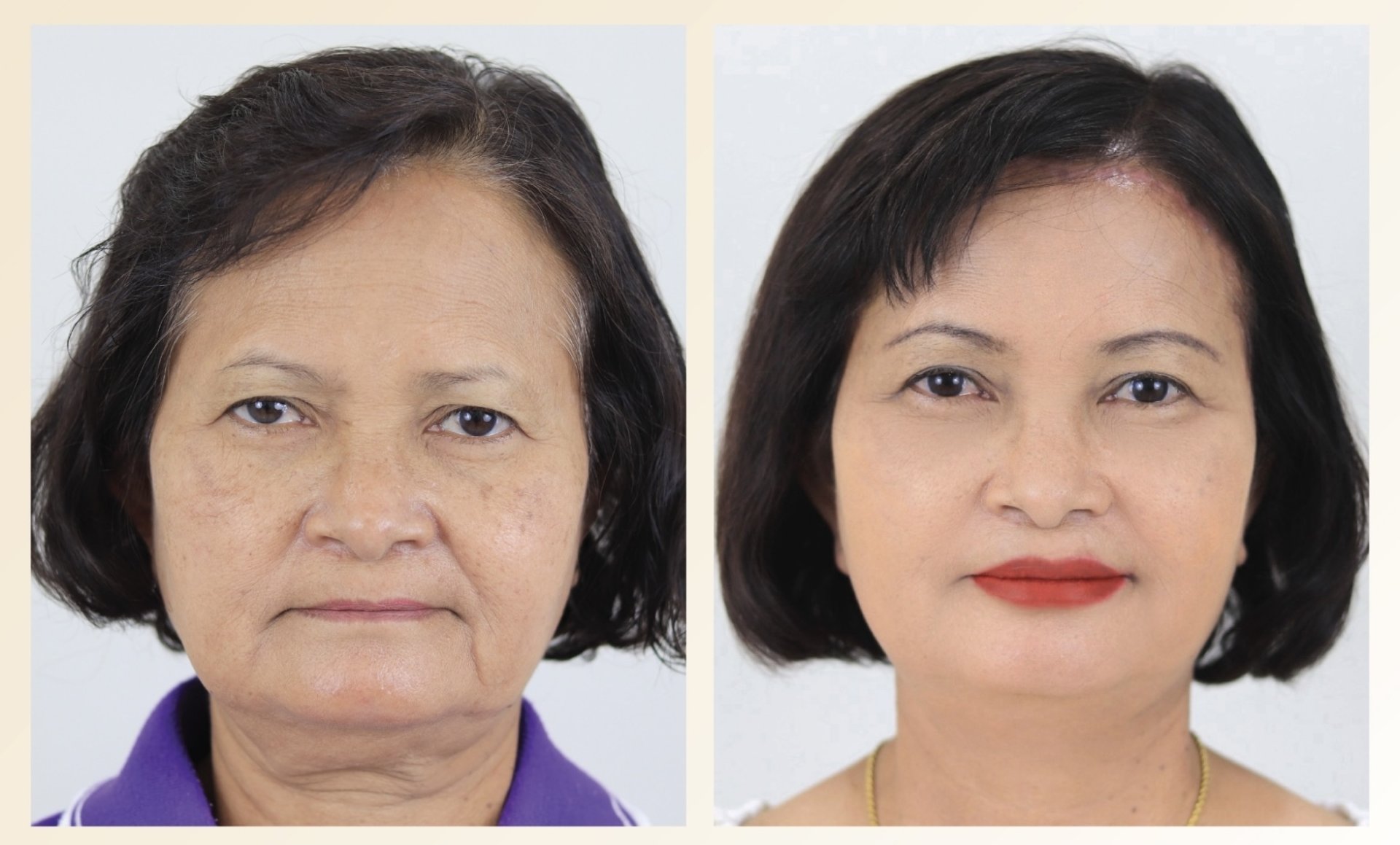
Before And After
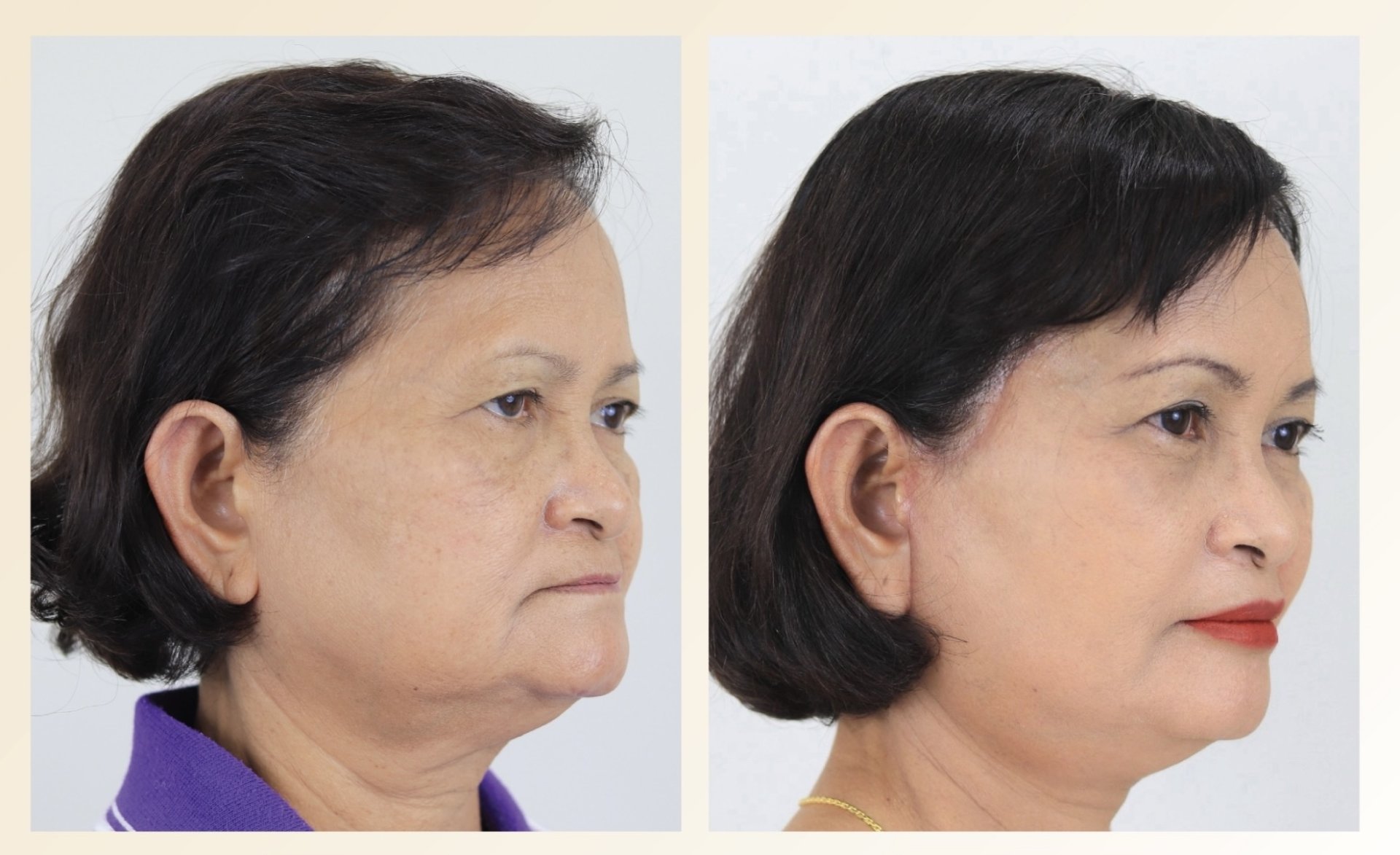
Are you ready to enhance your beauty?
Lets take the next step together!
 MakeWebEasy
- Home Home
- Surgery Surgery
- Dental Dental
- Thailand Thailand
- Contact us Contact us