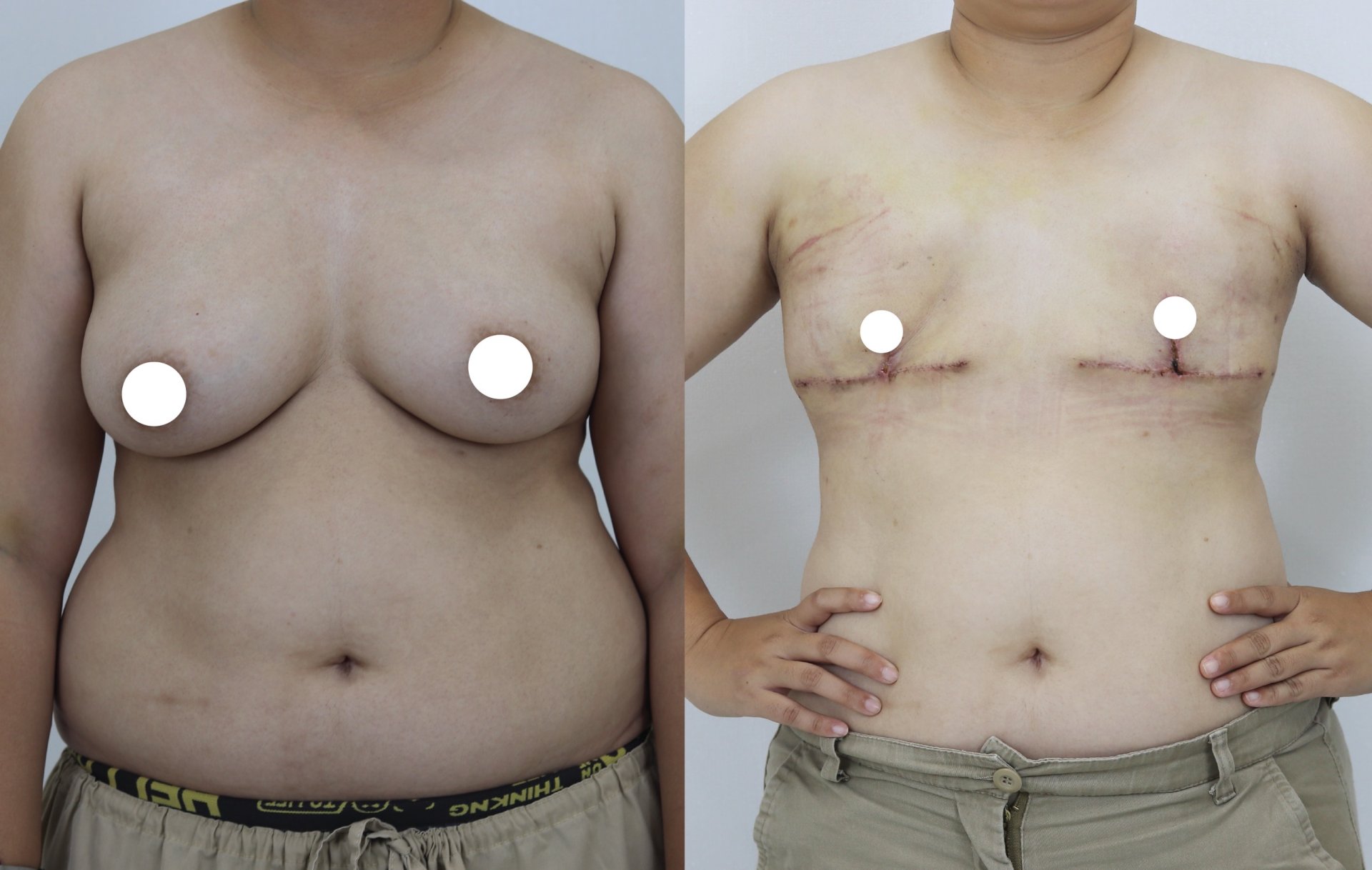
Top Surgery

Top surgery is a gender-affirming procedure sought by transgender and non-binary individuals to modify the chest's appearance, helping them feel more aligned with their gender identity.

This surgery plays a crucial role in boosting

self-confidence and emotional well-being.

There are two main types of top surgery, mastectomy and chest masculinization surgery.


1. Mastectomy (for Trans Men or Non-Binary Individuals)

Goal: To remove breast tissue and create a more masculine, contoured chest.


2. Chest Masculinization (or Chest Reconstruction)

Goal: To transform the chest into a more masculine shape through breast reduction and contouring.


3. Breast Augmentation (for Trans Women or Non-Binary Individuals)

Goal: To enhance the chest with fuller breasts for a more feminine contour.


Techniques for Top Surgery


  • Periareolar Technique: Ideal for individuals with small to moderate breast tissue, this involves making an incision around the areola to remove tissue while preserving nipple placement.
  • Double Incision Technique: Commonly used for individuals with larger breasts, this method involves two horizontal incisions across the chest to remove breast tissue, reshape the chest, and reposition the nipples.
  • Keyhole Technique: A minimally invasive approach suitable for small breasts, using a small incision around the areola to remove tissue without the need for extensive reshaping.
Candidates for Top Surgery
  1. Transgender Men and Non-Binary Individuals
    Seeking a flatter, more masculine chest through mastectomy or chest masculinization.
    Experiencing discomfort or dysphoria related to their chest.
    Desiring improved confidence and comfort in their appearance.
  2. Transgender Women and Non-Binary Individuals
    Wishing to enhance their chest with a fuller, feminine contour through breast augmentation.
    Ideal for those with minimal natural breast tissue or those seeking a more defined feminine chest.
Key Eligibility Factors
- Stable Gender Identity: Living in their affirmed gender for a significant period (often recommended for 12 months, though requirements vary).
- Physical Health: Being in good general health, free from conditions that could increase surgical risks or delay healing.
- Age: Typically 18 or older; exceptions may be made for younger individuals with parental consent.
- Mental and Emotional Readiness: Prepared for the physical and emotional changes surgery entails, with access to support if needed.
Realistic Expectations: Understanding the limitations and potential outcomes of the procedure.
Recovery And After Care

Recovery after top surgery requires careful adherence to post-operative guidelines for optimal healing and results. In the first week, focus on rest while incorporating light walking to improve circulation and reduce the risk of blood clots. Wearing a compression garment helps minimize swelling, support the chest, and aid in contouring. Pain and swelling are common and can be managed with prescribed medications, while surgical drains, if used, should be emptied and maintained as instructed.

Over the next 2-4 weeks, youll gradually resume light activities, avoiding strenuous exercise or heavy lifting. Follow-up appointments will ensure proper healing and address concerns, with incisions needing to remain clean and protected. Swelling and bruising will start to subside, though some may persist.

By 1-3 months, most swelling diminishes, scars begin to fade, and the chest starts to take its final shape. Scar care, such as silicone sheets or creams, and sun protection are important to minimize scarring.

Full results can take 6-12 months, with a return to intense physical activities typically allowed after 6-8 weeks. Long-term care includes maintaining a healthy lifestyle, protecting scars from sun exposure, and attending regular follow-ups to ensure sustained results.

General risk
Top surgery, like any surgical procedure, comes with potential risks. Although complications are rare with an experienced surgeon.

General Surgical Risks
Bleeding: Excessive bleeding during or after surgery may require additional treatment.
- Infection: Rare but manageable with antibiotics if it occurs.
- Anesthesia Reactions: Some individuals may experience complications related to anesthesia.
- Scarring: Scars are a natural part of healing, though their visibility and severity can vary. Scar treatments can help minimize their appearance.
- Fluid or Blood Accumulation: Hematomas (blood pooling) or seromas (fluid buildup) may develop and require drainage.
- Changes in Sensation: Temporary or permanent alterations in chest or nipple sensitivity can occur due to nerve disruption.
- Asymmetry or Irregular Contours: Uneven chest appearance or unexpected contours may require revision surgery to address.
- Delayed Healing: Slow healing at incision sites may happen, especially in individuals with certain health conditions or habits like smoking.
- Nipple Complications: Partial or complete loss of nipple grafts or issues with positioning can occur in some cases.
- Unmet Expectations: Dissatisfaction with cosmetic results, though this risk can be minimized by clear communication about goals and realistic expectations.

Before And After

Are you ready to enhance your beauty?

Lets take the next step together!

เว็บไซต์นี้มีการใช้งานคุกกี้ เพื่อเพิ่มประสิทธิภาพและประสบการณ์ที่ดีในการใช้งานเว็บไซต์ของท่าน ท่านสามารถอ่านรายละเอียดเพิ่มเติมได้ที่ นโยบายความเป็นส่วนตัว และ นโยบายคุกกี้
เปรียบเทียบสินค้า
0/4
ลบทั้งหมด
เปรียบเทียบ
Powered By MakeWebEasy Logo MakeWebEasy