Tummy Tuck
abdominoplasty or TUMMY TUCK, is a cosmetic surgical procedure designed to improve the appearance of the abdomen. It involves removing excess fat and skin and, in some cases, restoring weakened or separated abdominal muscles. This procedure is popular among individuals who have loose or sagging skin around the abdomen, often due to weight fluctuations, aging, or pregnancy.


Type Of Tummy Tuck
- Full Tummy Tuck
- Mini Tummy Tuck
- Extended Tummy Tuck
- Fleur-de-Lis Tummy Tuck
- Reverse Tummy Tuck
Each type of tummy tuck is tailored to the individuals goals and body shape. Consulting with a board-certified plastic surgeon is essential to determine the best approach for your needs.
also known as a Traditional Abdominoplasty, is the most common form of tummy tuck surgery. It is designed to improve the appearance of the entire abdominal area, addressing both the upper and lower abdomen.
A full tummy tuck removes excess fat and skin across the abdomen, tightens and repairs weakened or separated abdominal muscles (diastasis recti), and involves a horizontal incision made just above the pubic area, typically extending from hip to hip, with a second incision around the belly button to reposition it. During the procedure, the skin is lifted, muscles are repaired if necessary, and excess skin is trimmed away, while the remaining skin is pulled down and sutured to create a smooth, firm appearance. The navel is then relocated to a natural position after the removal of excess skin.
Full Tummy Tuvk is ideal for individuals who
- Have excess loose or sagging skin on the abdomen.
- Have weakened abdominal muscles, often due to pregnancy, aging, or weight fluctuations.
- Are in good health and close to their ideal body weight but struggle with areas resistant to diet and exercise.
also known as a Partial Abdominoplasty, is a less invasive variation of the traditional tummy tuck. It focuses exclusively on the lower abdomen, below the belly button, and is designed for individuals with minimal excess skin or fat in this area.
A mini tummy tuck targets the lower abdomen by removing excess skin and fat and tightening the lower abdominal muscles if necessary. It involves a smaller, horizontal incision above the pubic area, which is shorter than that of a full tummy tuck. The procedure may include tightening the lower abdominal muscles to improve contour. Unlike a full tummy tuck, a mini tummy tuck does not involve repositioning the belly button, as the upper abdomen is not addressed.
A mini tummy tuck is ideal for individuals who:
- Have mild to moderate loose skin or a small "pooch" in the lower abdomen.
- Do not have significant sagging or muscle separation in the upper abdomen.
- Are in good overall health and close to their ideal body weight.
An extended tummy tuck removes excess skin and fat from the abdomen, flanks (love handles), and sometimes the lower back, while tightening weakened or separated abdominal muscles (diastasis recti) for improved core strength and contour. The procedure involves a longer horizontal incision that extends beyond the hips and partially wraps around the lower back, with an additional small incision around the belly button if repositioning is needed. During the surgery, the abdominal skin is lifted, muscles are tightened as necessary, and excess skin and fat are removed from the targeted areas, leaving the remaining skin smoothed and sutured for a firmer, more sculpted appearance. The navel is typically repositioned to maintain a natural look after the skin removal.
An extended tummy tuck is ideal for individuals who
- Have undergone massive weight loss (e.g., bariatric surgery or significant lifestyle changes).
- Struggle with loose skin and fat around the abdomen, flanks, and lower back.
- Are in good health and near their target weight but cannot address these areas through diet and exercise alone.
A Fleur-de-Lis tummy tuck removes excess skin and fat from both the upper and lower abdomen, addressing loose skin across the midsection in both horizontal (side-to-side) and vertical (top-to-bottom) directions. It also tightens weakened or separated abdominal muscles (diastasis recti) for improved core strength. The procedure involves a vertical incision running along the midline of the abdomen (from the sternum to the pubic area) and a horizontal incision made above the pubic area, similar to a traditional tummy tuck. These incisions create an "anchor" or "T" shape, allowing for extensive reshaping and removal of excess tissue. During the surgery, the skin is lifted in both directions, muscles are repaired as needed, and excess skin and fat are removed to create a smoother, more toned appearance. The belly button is typically repositioned to ensure a natural look after significant skin removal.
A Fleur-de-Lis tummy tuck is ideal for individuals who
- Have experienced massive weight loss and are left with significant sagging skin in multiple directions.
- Have a large amount of excess skin and fat that cannot be addressed by a standard or extended tummy tuck.
- Are in good overall health and at or near their ideal body weight.
A Reverse Tummy Tuck is a less common variation of abdominoplasty that primarily focuses on the upper abdomen, targeting loose or sagging skin in the area just below the chest. It is ideal for individuals who have excess skin or tissue in the upper abdomen but do not need a full tummy tuck to address the lower abdomen. It is often combined with a breast lift or augmentation in women to improve the overall contour of the chest and abdominal region. A horizontal incision is made along the natural crease under the breasts, which can be easily hidden under a bra or swimsuit. The skin of the upper abdomen is lifted, excess tissue is removed, and the remaining skin is tightened for a smooth, toned look. Unlike traditional tummy tucks, the reverse tummy tuck does not involve the lower abdomen, so the belly button is not typically repositioned.
A reverse tummy tuck is ideal for individuals who
- Have sagging or excess skin in the upper abdomen, often due to aging, weight loss, or pregnancy.
- Do not have significant excess skin in the lower abdomen.
- Are looking to tighten the upper abdominal area without the need for a full tummy tuck.
Recovering from a tummy tuck (abdominoplasty) varies by individual and depends on the extent of the procedure (e.g., mini, full, extended)
- First two weeks of tummy tuck recovery, patients typically experience swelling, tightness, and discomfort in the abdominal area, which can be managed with prescribed pain medications, while light walking is encouraged to improve circulation and reduce the risk of blood clots; however, strenuous activities, heavy lifting, and bending should be avoided, and a compression garment is usually worn to minimize swelling and support healing.
- By one month after a tummy tuck, most patients experience significantly reduced swelling and discomfort, can resume light to moderate activities, and may notice early improvements in abdominal contour, but strenuous exercises, particularly those involving core muscles, should still be avoided unless cleared by the surgeon.
- By three months and beyond after a tummy tuck, most patients have fully resumed normal activities, including exercise, and swelling has largely subsided, revealing a flatter, firmer abdominal contour, while scars continue to fade over the next several months with proper careLike any surgical procedure, a tummy tuck (abdominoplasty) carries some risks. While complications are uncommon when performed by a qualified surgeon, it's important to be aware of potential risks, which include
General Surgical Risks
- Infection: Though rare, infections can occur and may require antibiotics or further treatment.
- Bleeding or Hematoma: Excessive bleeding or accumulation of blood under the skin may necessitate drainage.
- Blood Clots: Deep vein thrombosis (DVT) or pulmonary embolism can occur, especially if mobility is limited post-surgery.
- Adverse Reaction to Anesthesia: Some individuals may experience complications from anesthesia.
Procedure-Specific Risks
- Poor Wound Healing: Delayed healing or wound separation may occur, especially in smokers or individuals with certain medical conditions.
- Seroma: Fluid accumulation under the skin may require drainage.
- Scarring: Tummy tucks result in scars, which can sometimes become thick, raised (hypertrophic), or keloid.
- Numbness or Sensory Changes: Temporary or permanent changes in sensation around the abdominal area may occur.
- Asymmetry or Unsatisfactory Results: The outcome may not meet expectations, and additional revisions might be required.
- Tissue Necrosis: In rare cases, areas of skin or fat may not receive adequate blood flow, leading to tissue death.
Understanding the risks and taking steps to minimize them can help ensure a safer procedure and a smoother recovery.
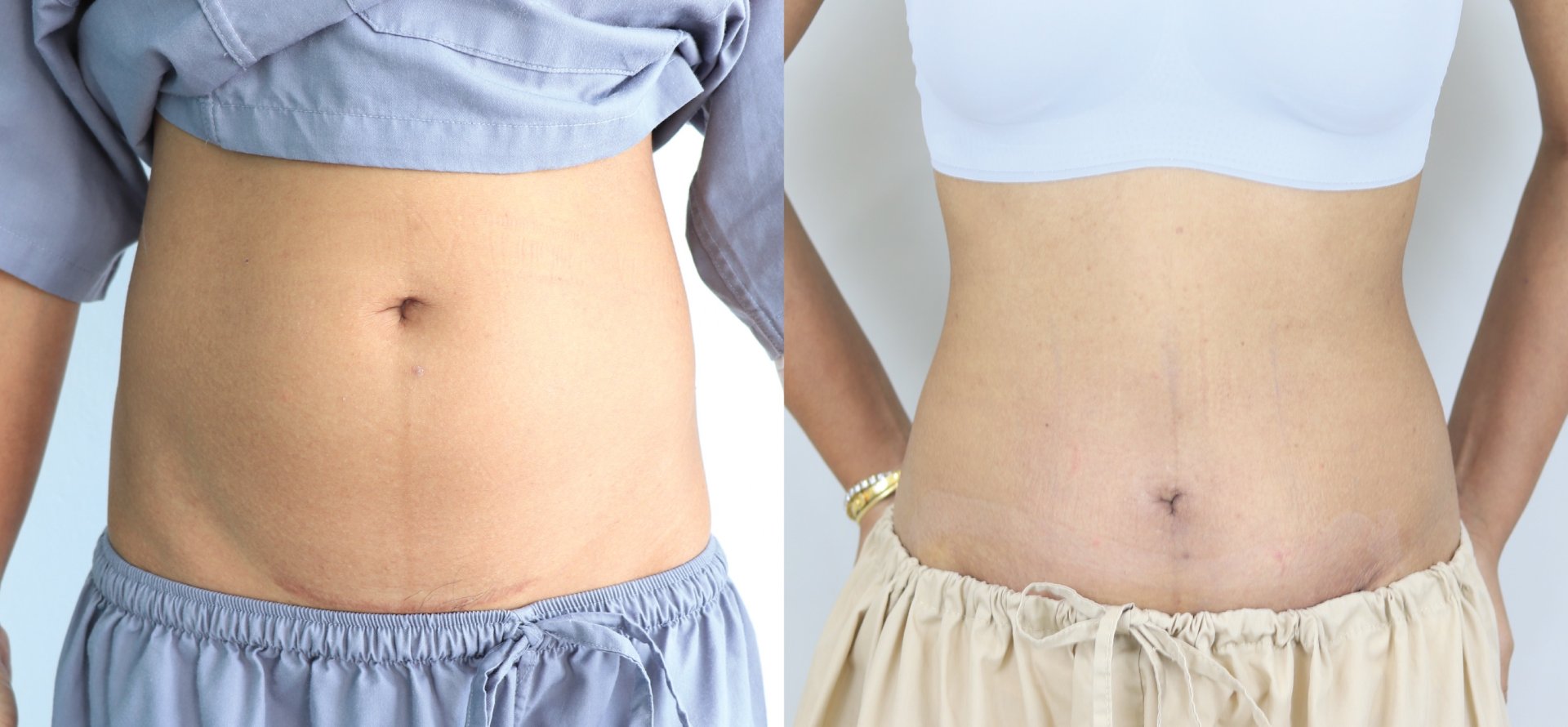
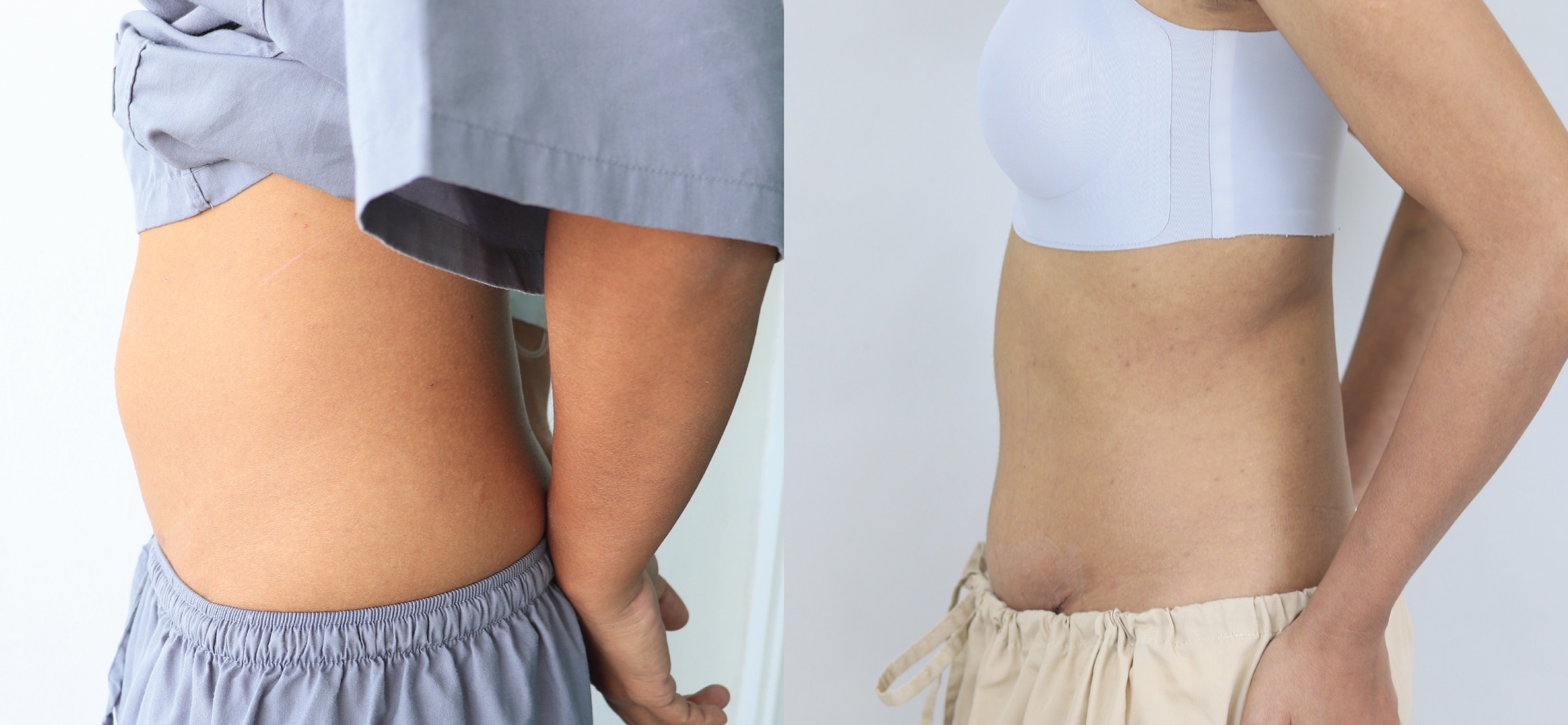
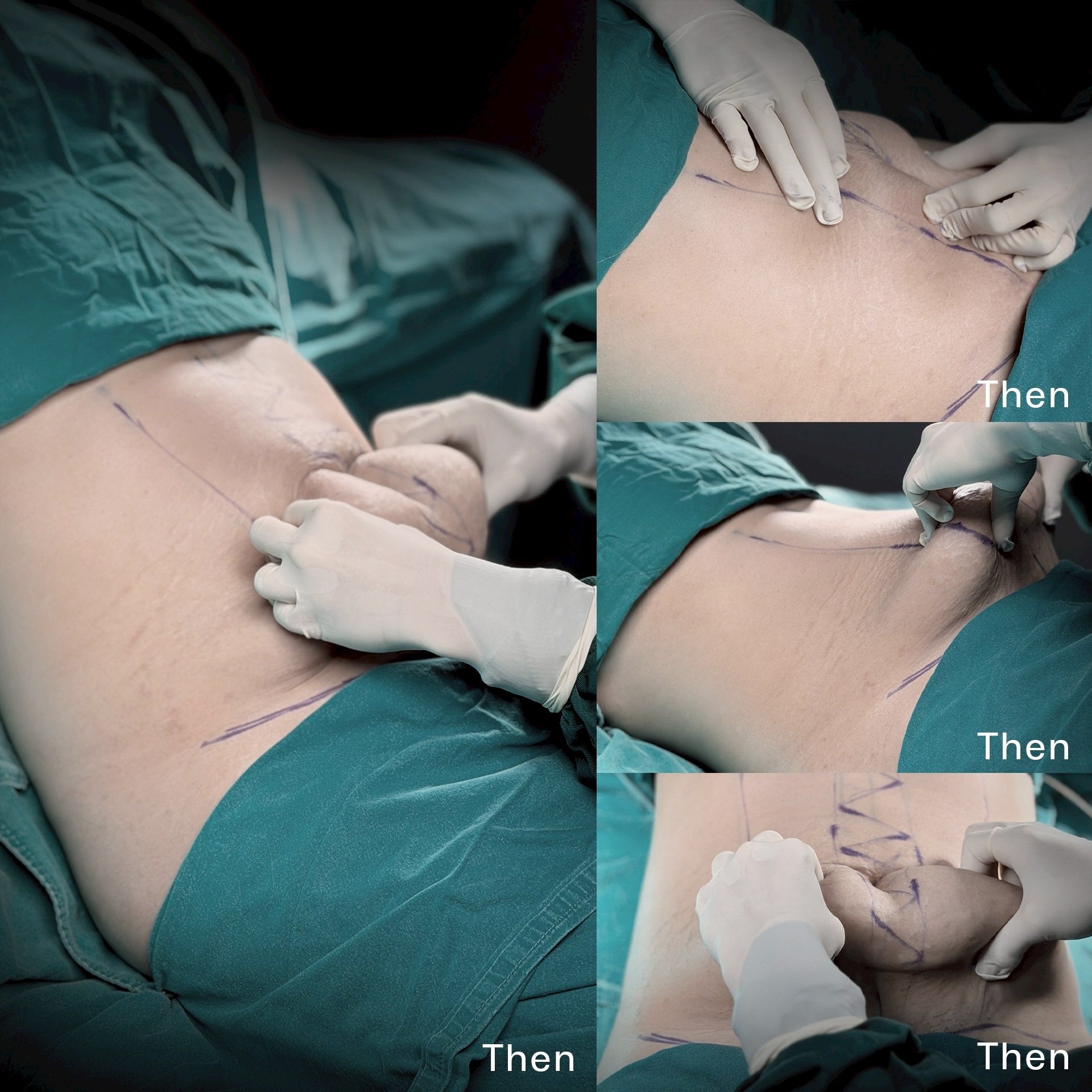
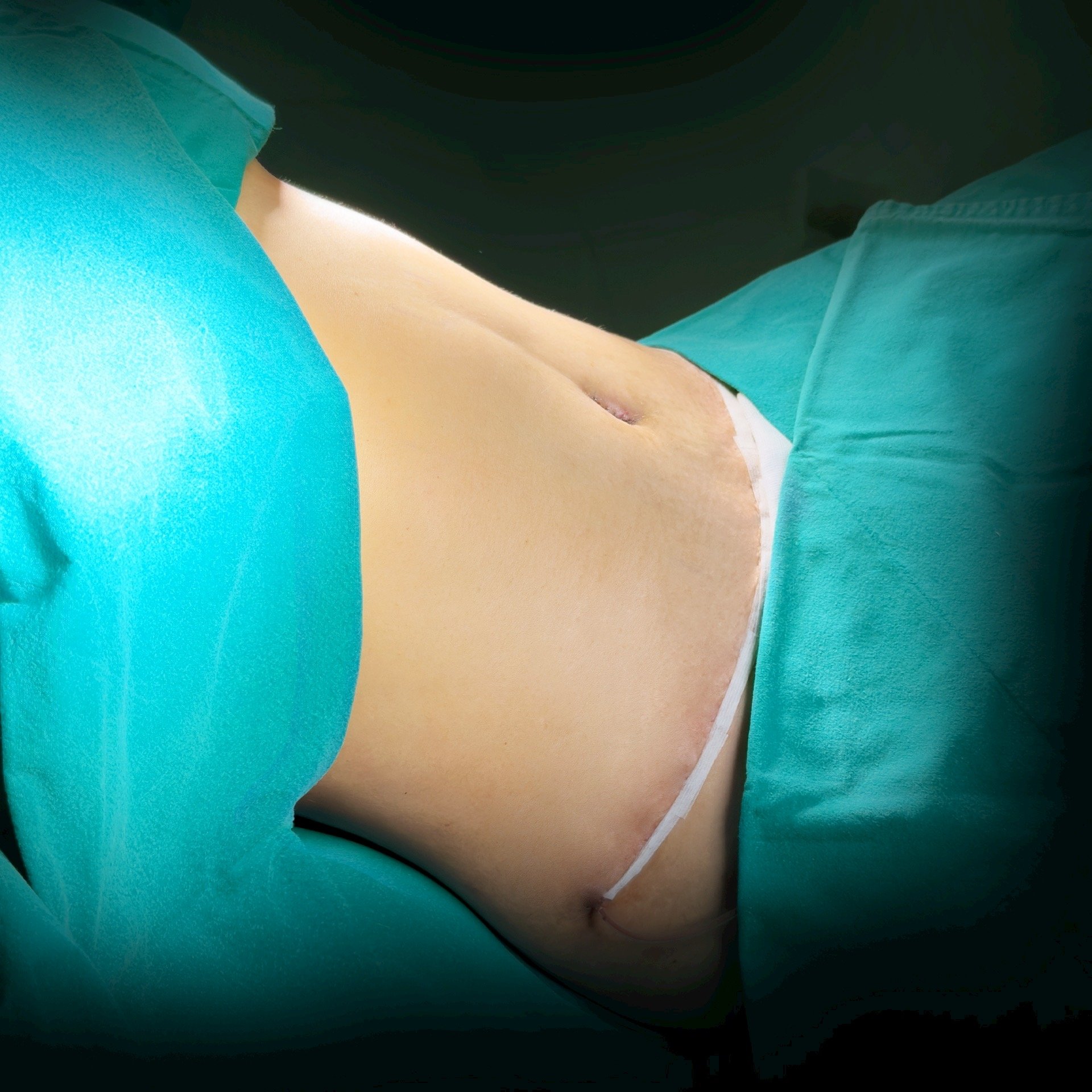
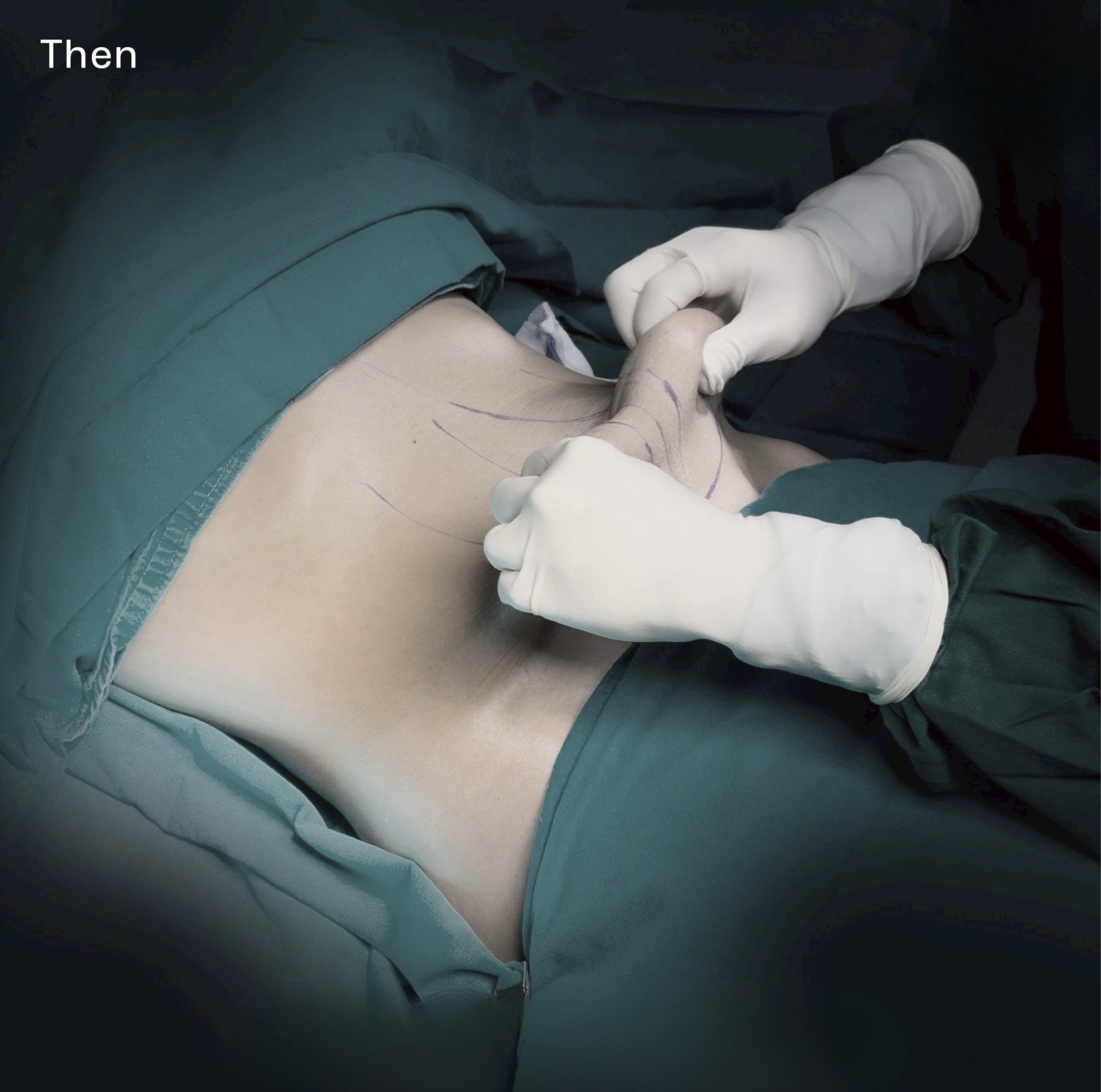
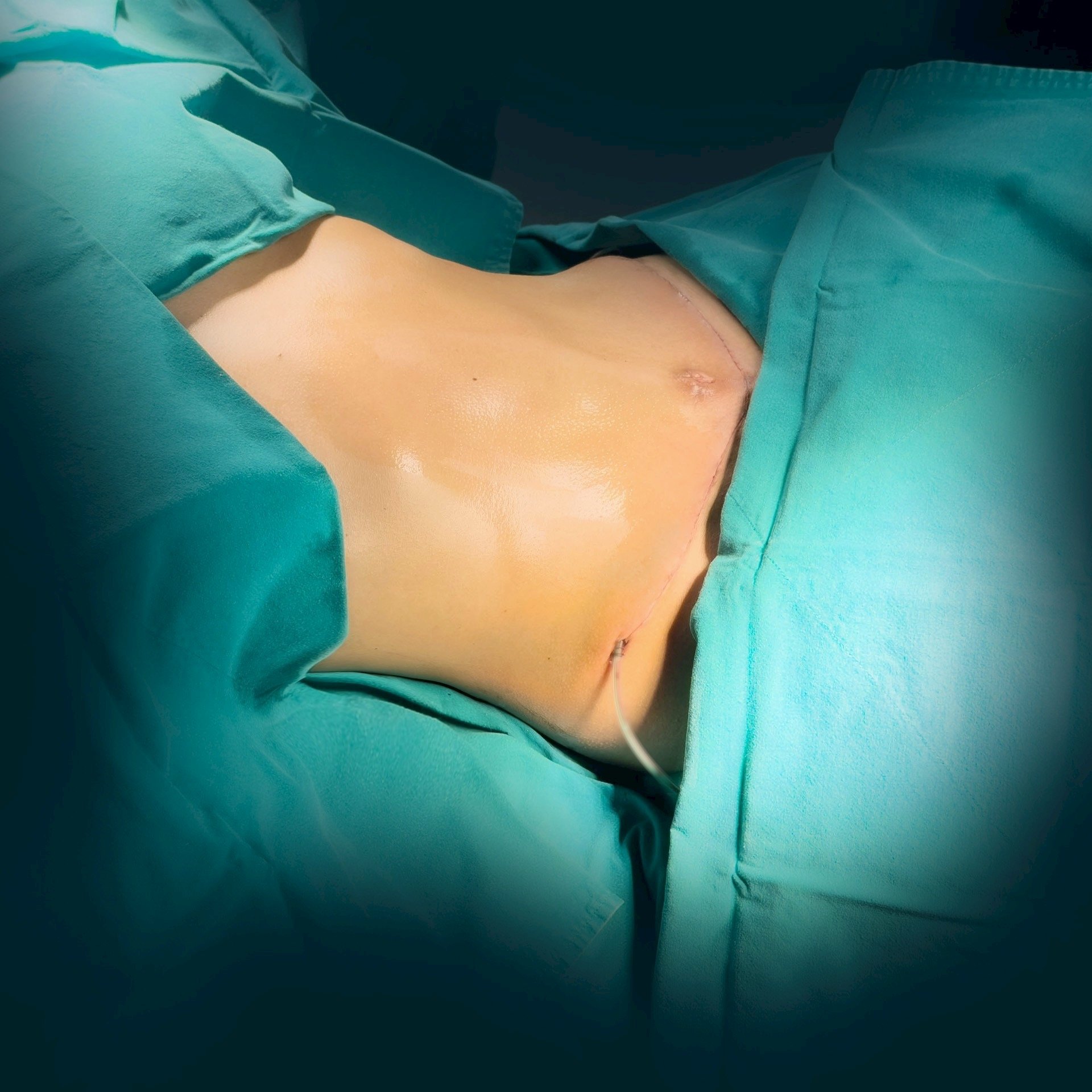
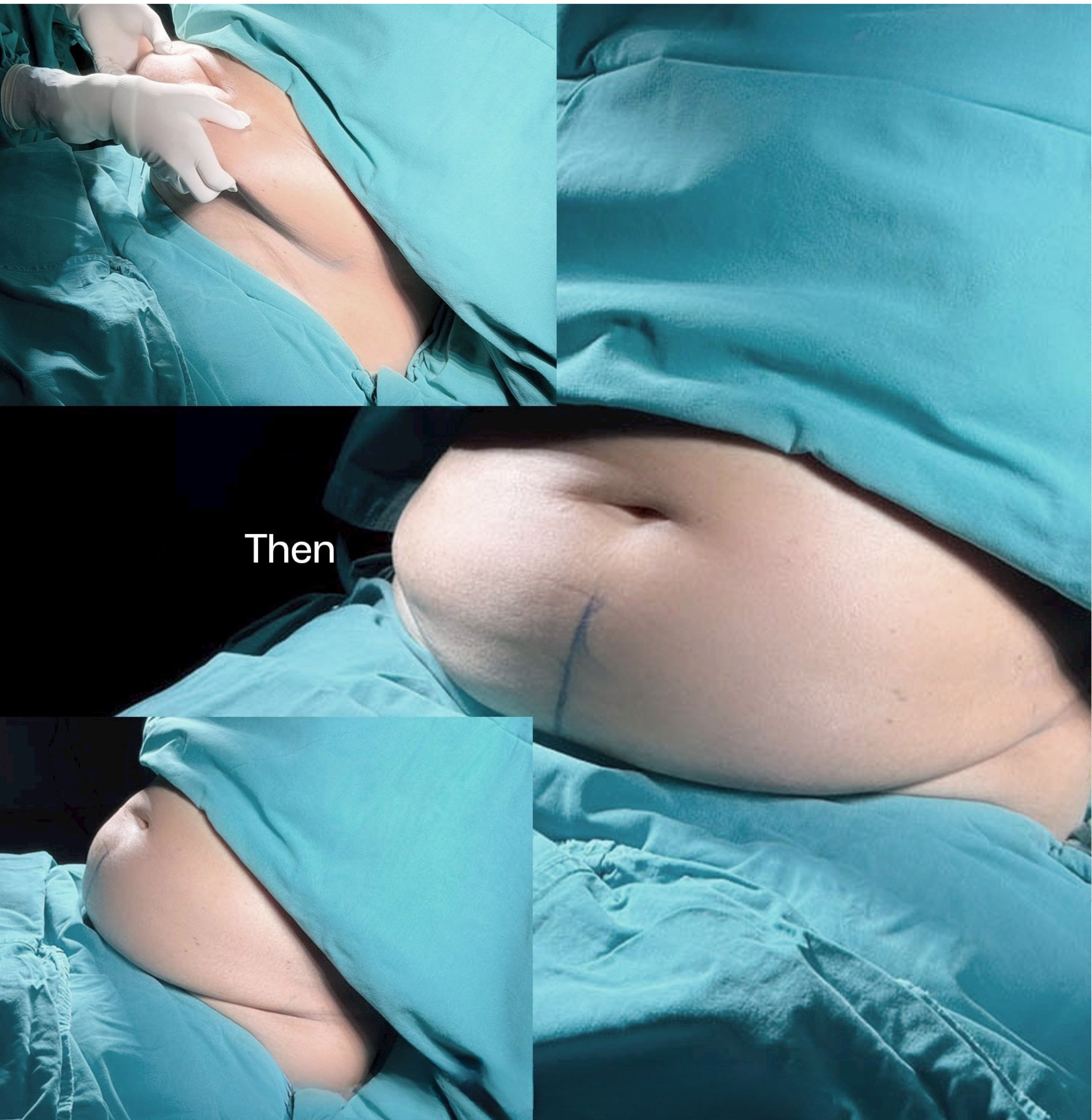
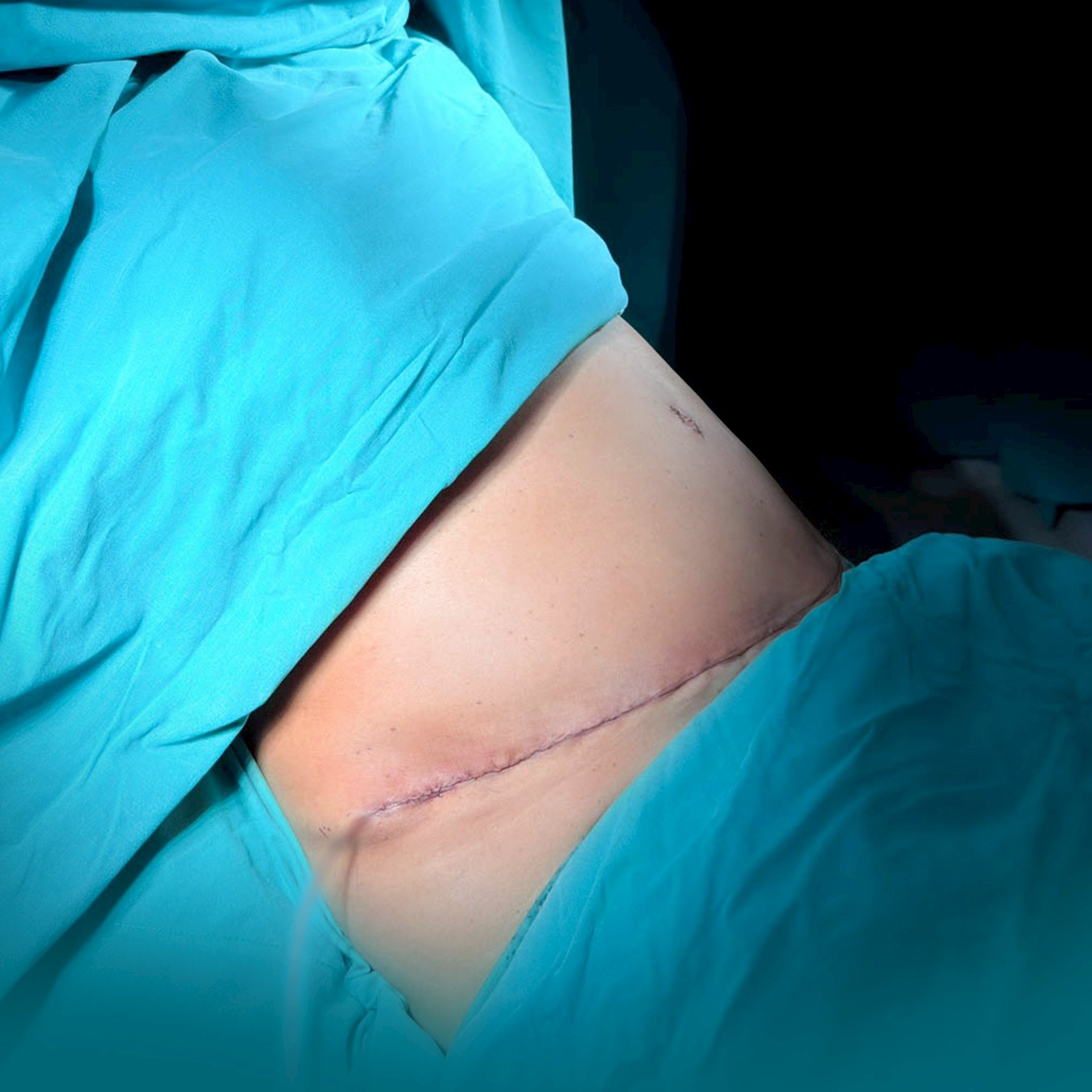
Before And After
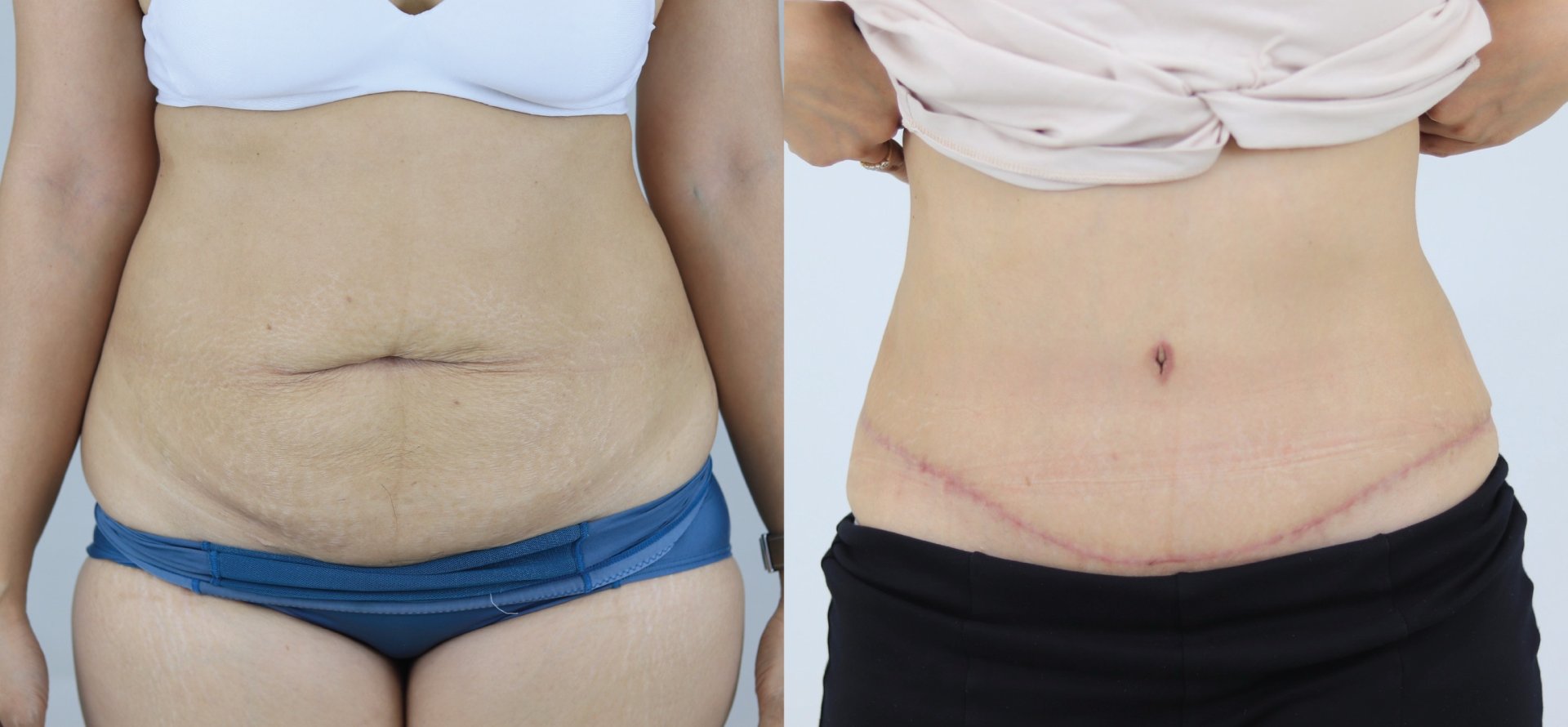
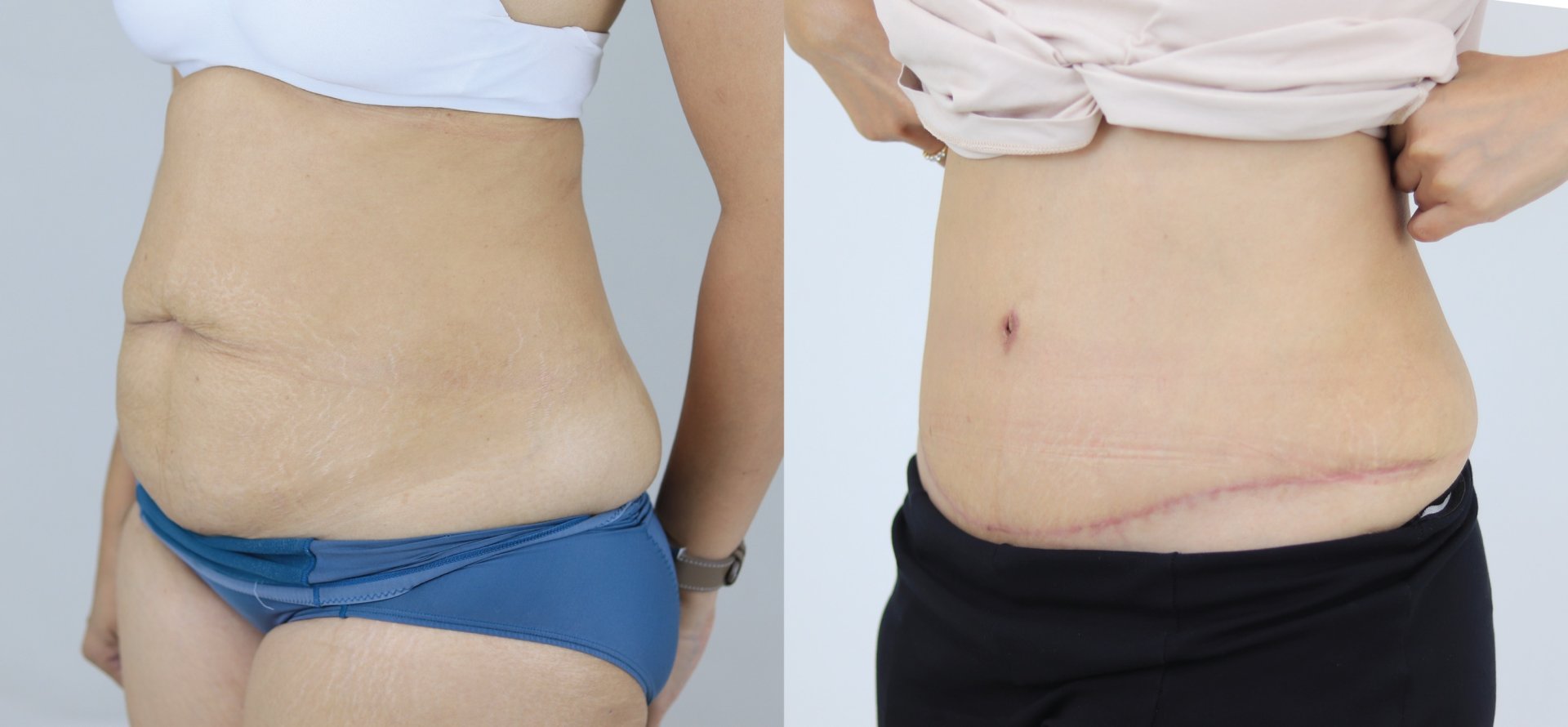
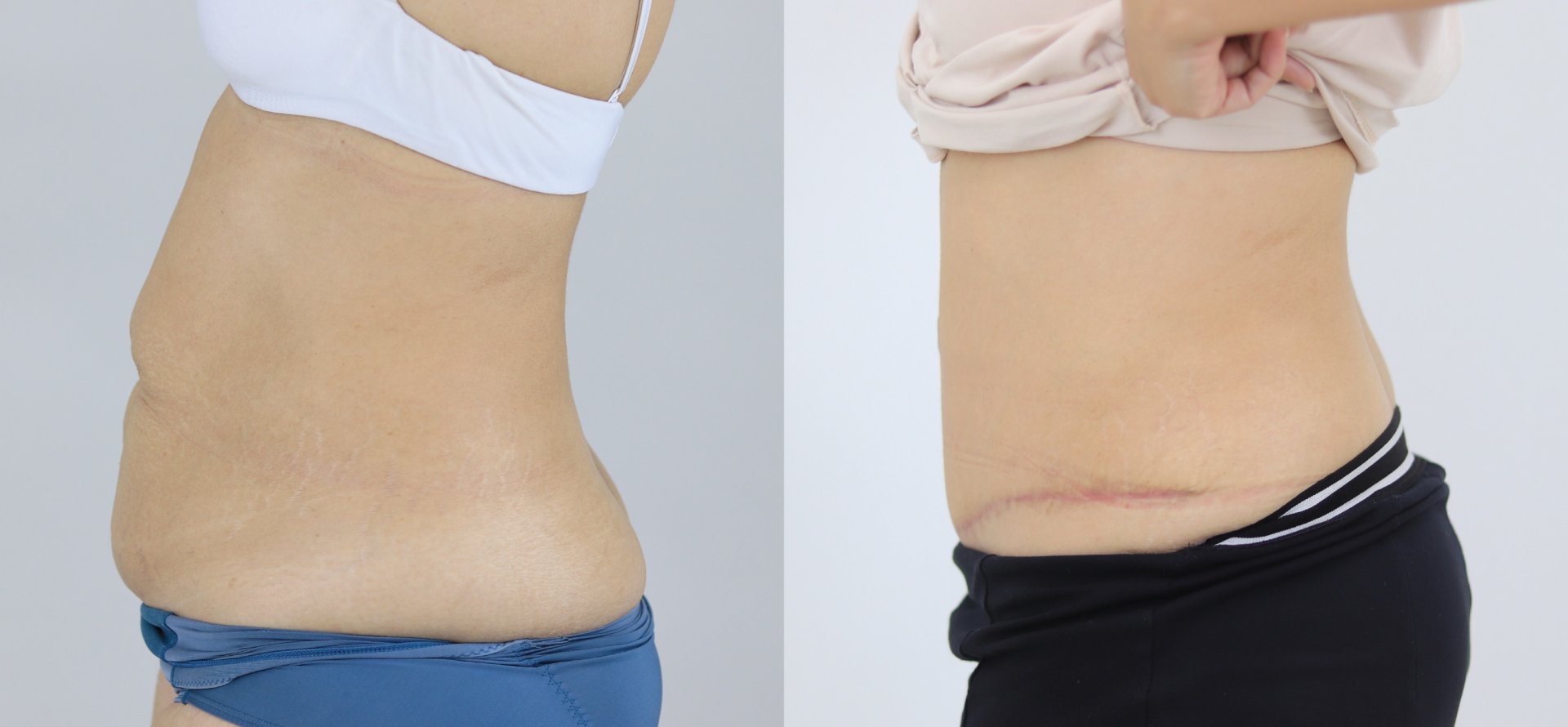
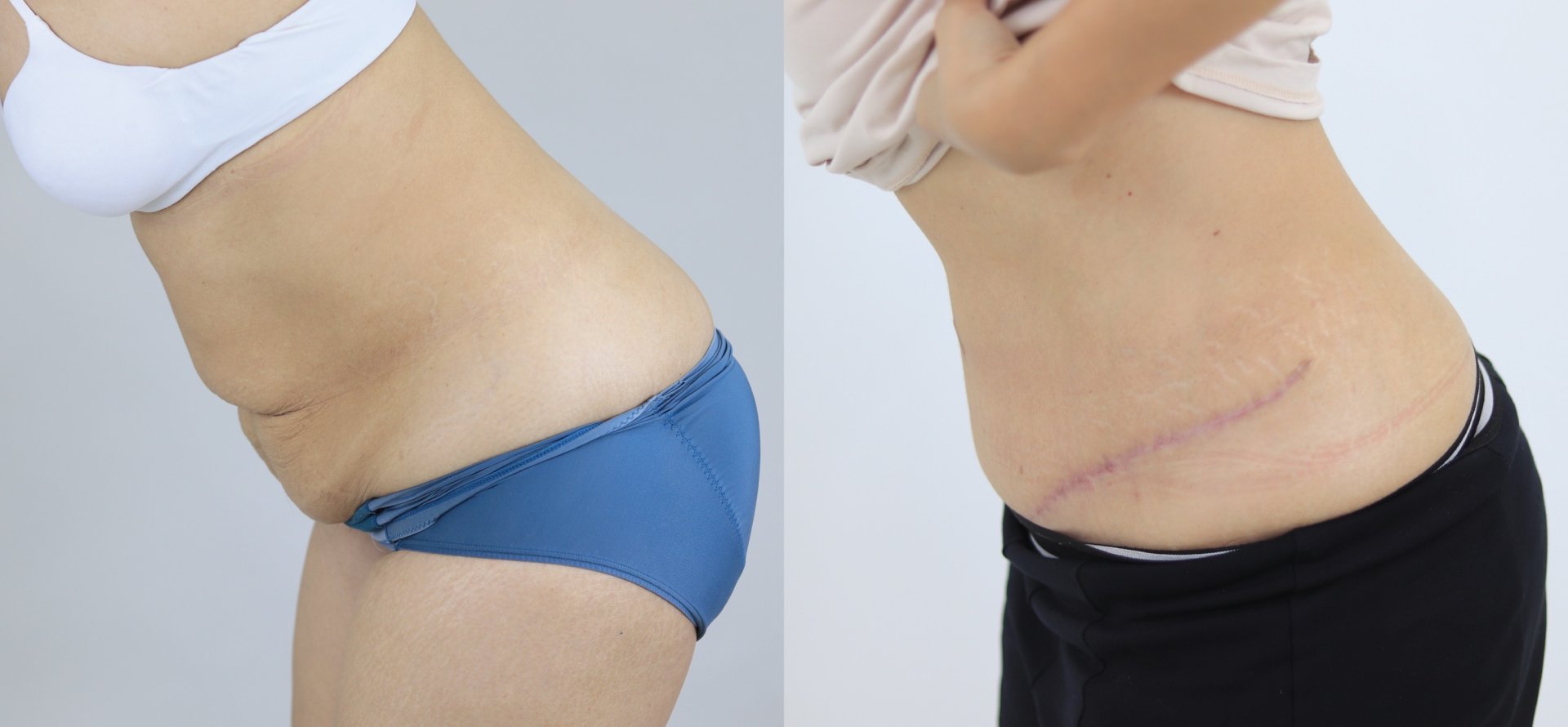
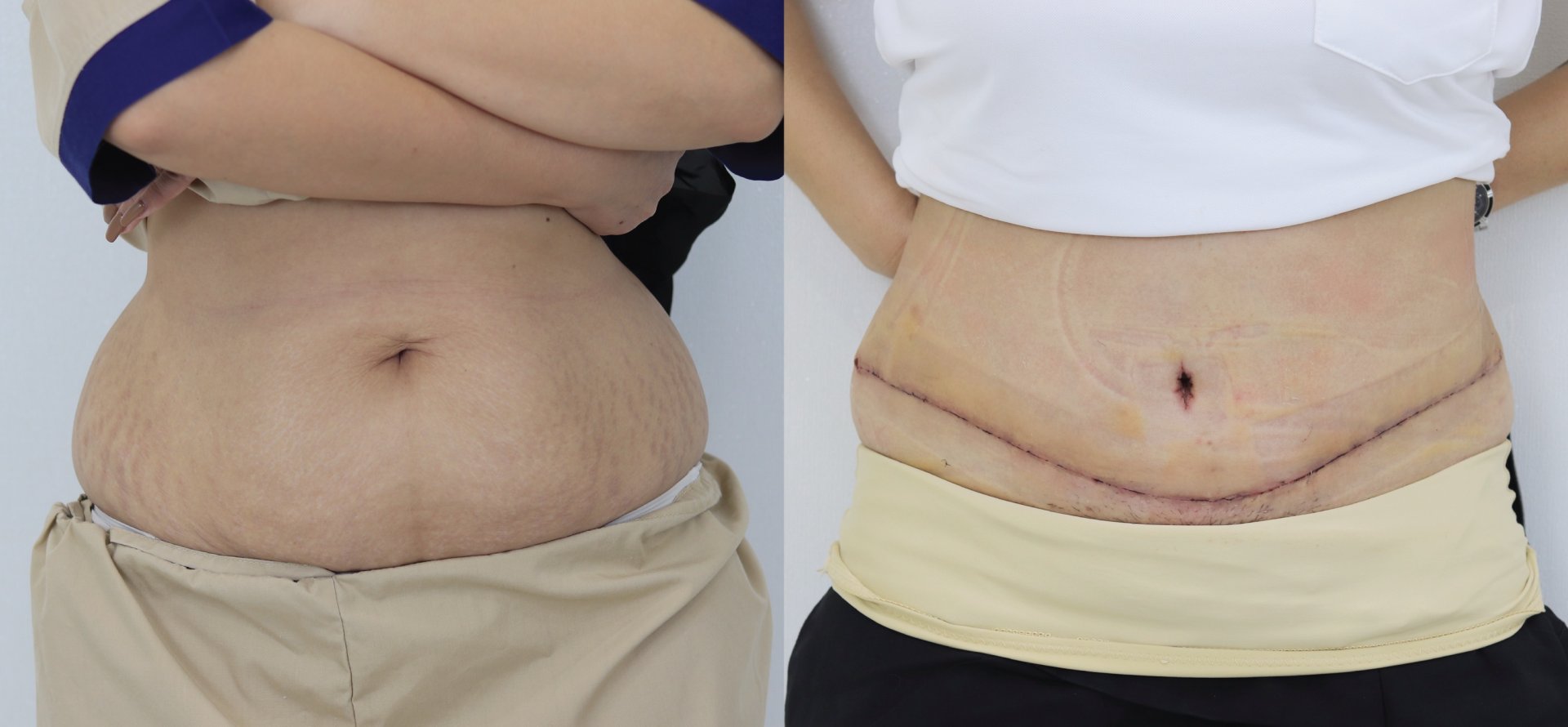
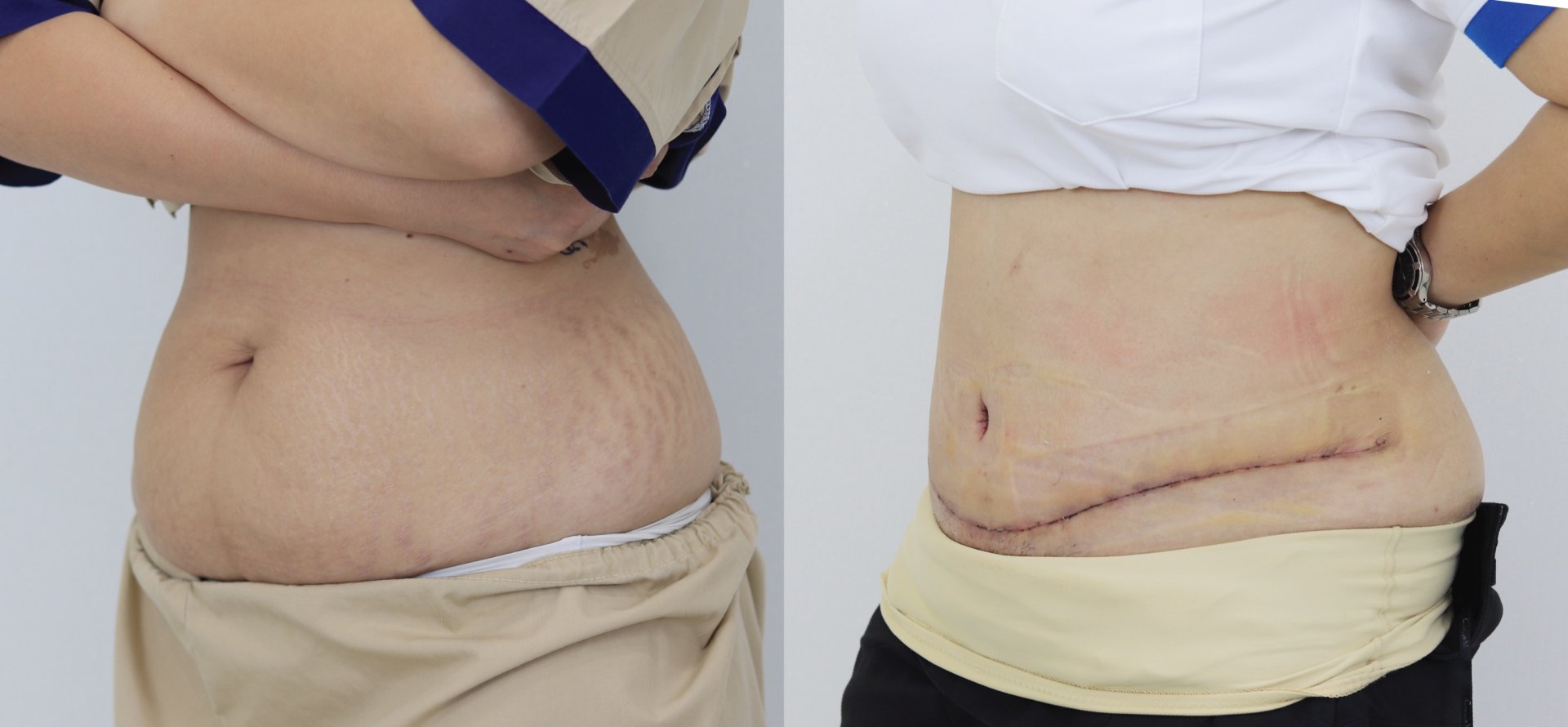
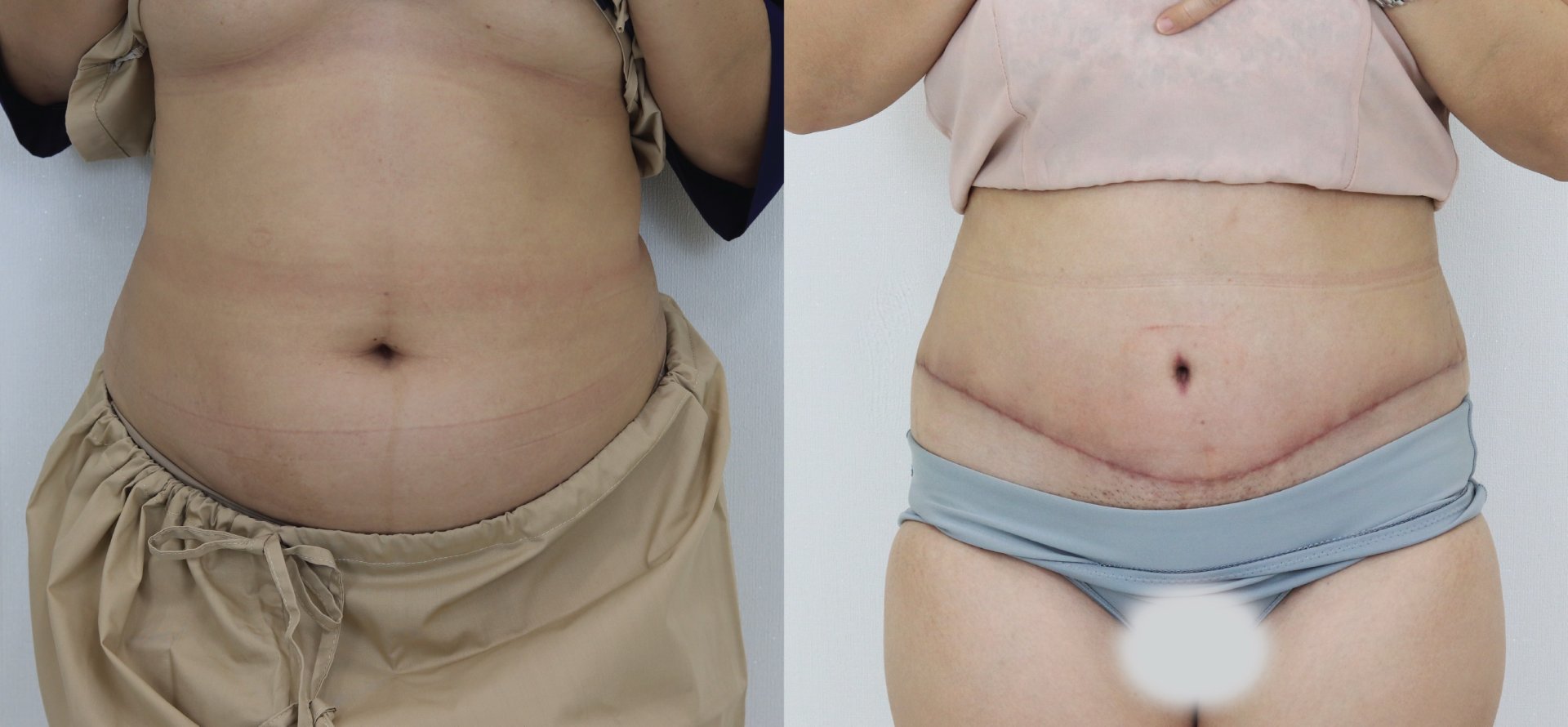
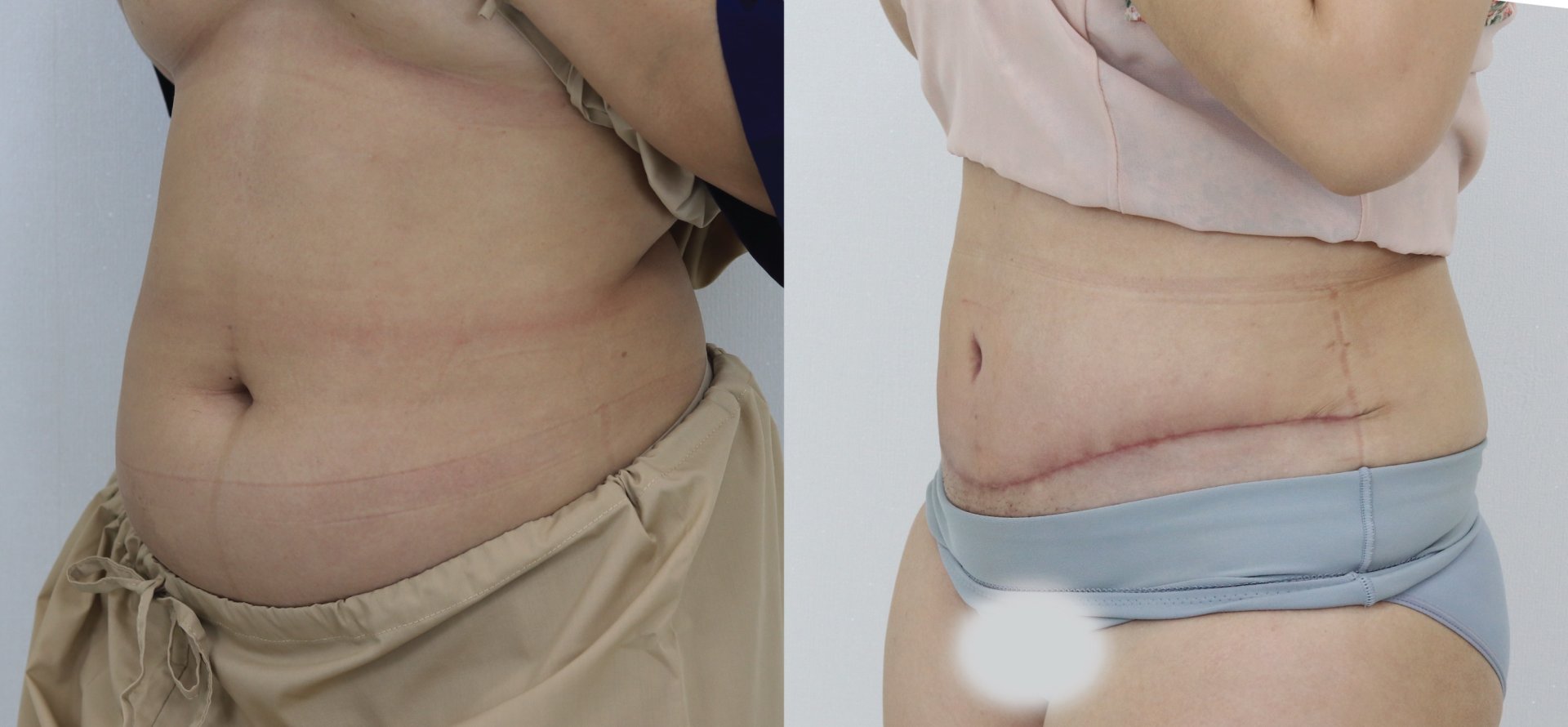
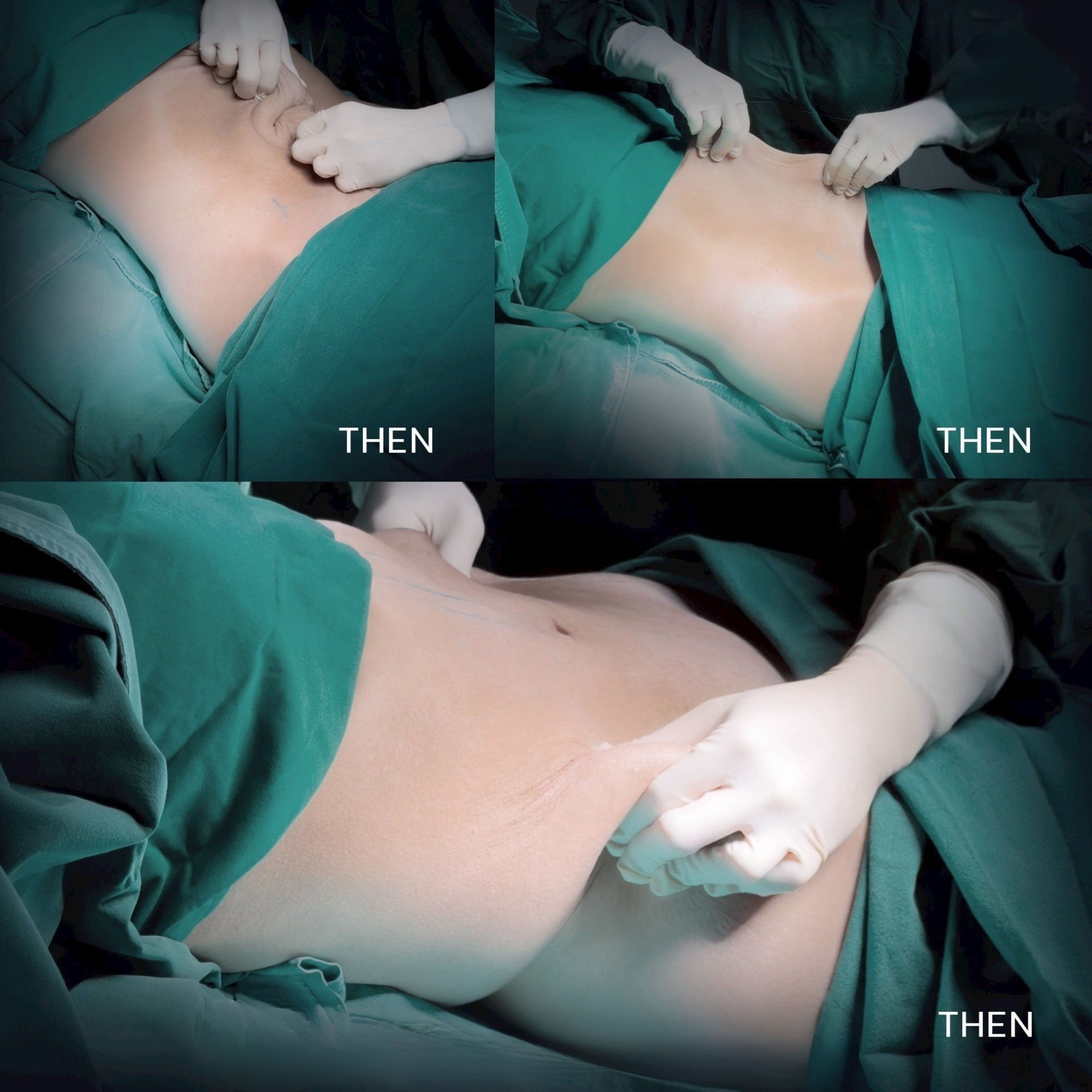
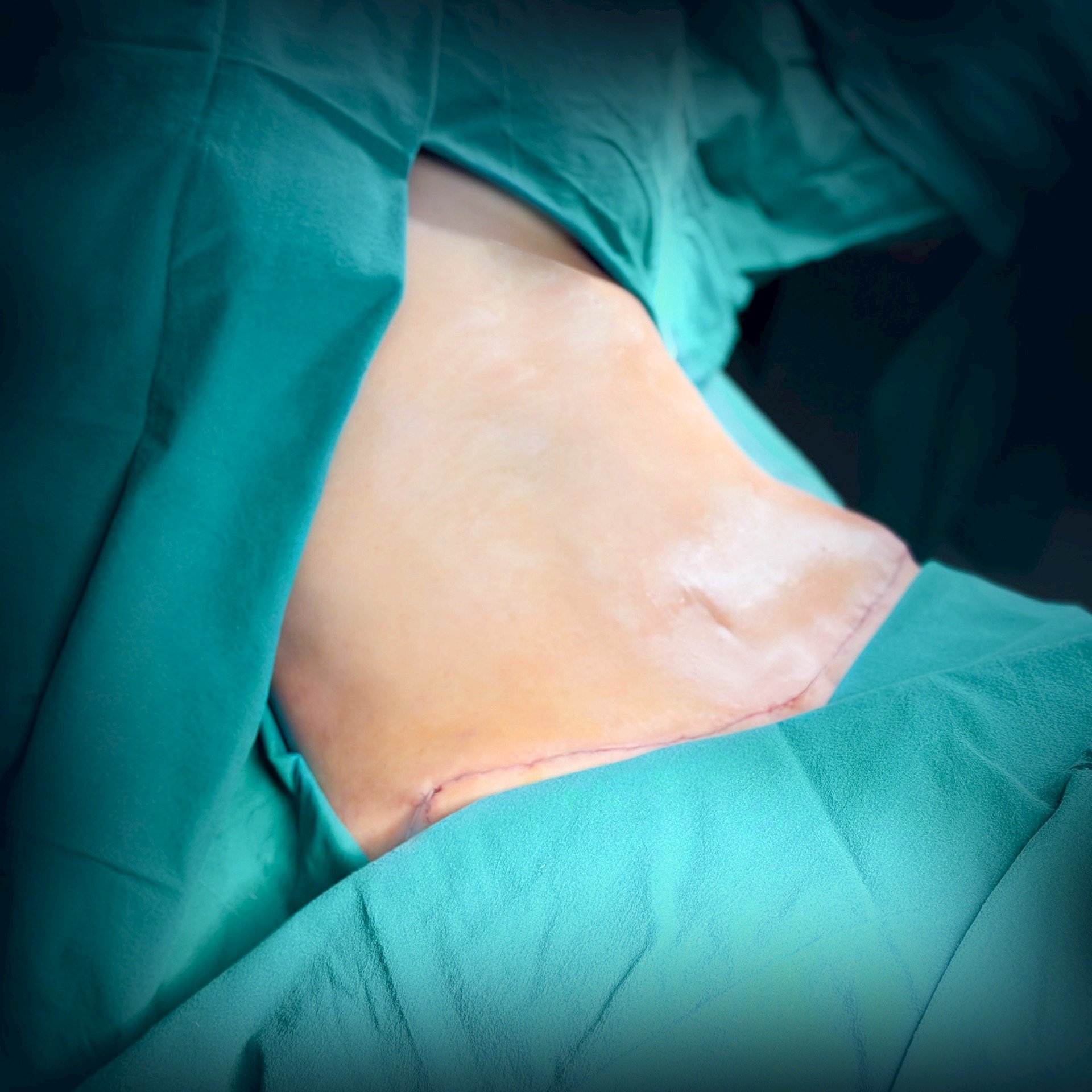
Are you ready to enhance your beauty?
Lets take the next step together!
 MakeWebEasy
- Home Home
- Surgery Surgery
- Dental Dental
- Thailand Thailand
- Contact us Contact us